| “Earth’s crammed with heaven, And every common bush afire with God, But only he who sees takes off his shoes, The rest sit round it and pluck blackberries.“ ~ Elizabeth Barrett Browning |
| “Earth’s crammed with heaven, And every common bush afire with God, But only he who sees takes off his shoes, The rest sit round it and pluck blackberries.“ ~ Elizabeth Barrett Browning |
Joy Journal #6: August 21, 2022
Tonight I went with my step-dad to see a live music performance in a garden paddock in Deep Cove. We sat out in the warm evening air, comfortably settled in our camping chairs in the grass, and enjoyed a performance of Leonard Cohen classics. The hummingbirds danced above our heads, diving in and around the trees, leaves gently rustled in the breeze. The salty smell of the ocean was in the air. Light softly fell around us until we were enveloped in darkness, broken only by the warm glow of a single spotlight. #JoyBlogging
Provence-Alpes-Côte d’Azur is my favourite region of France. It is located in the southeastern quadrant of the country, bordering Italy and the Mediterranean Sea. It is known for its diverse landscapes, ranging from the Southern Alps to the Camargue plains: it features rolling hills and valleys, vineyards, olive groves, pine forests and lavender fields. Provence has mild winters, dry and hot summers, and more than three hundred days of sunshine every year. The average annual high temperature hovers around 65 degrees, and the annual low temperature average is about 46 degrees. The rhythmic sound of cicadas that can be heard throughout the landscape in the summer months.

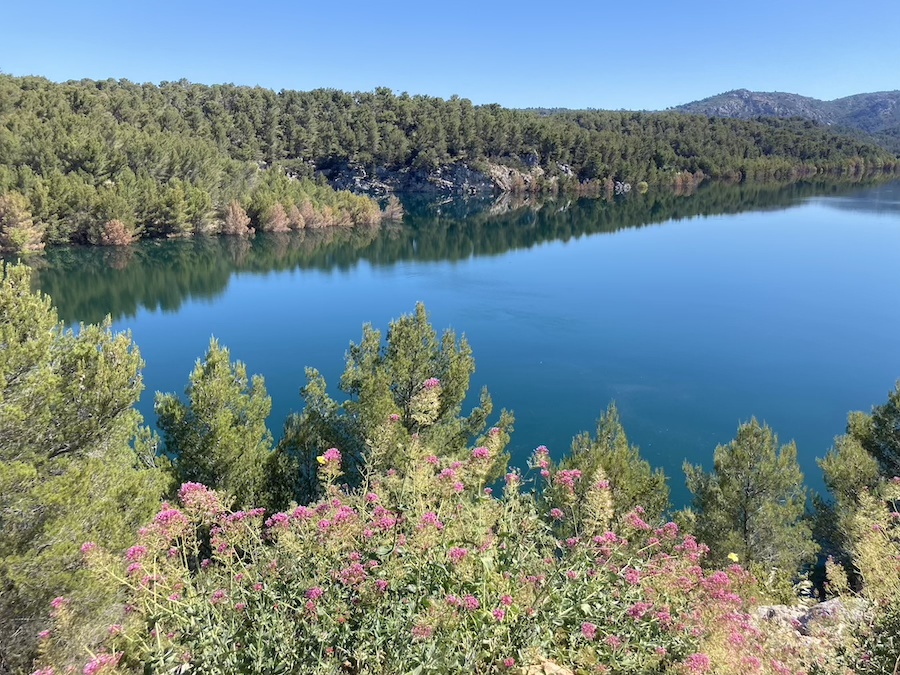
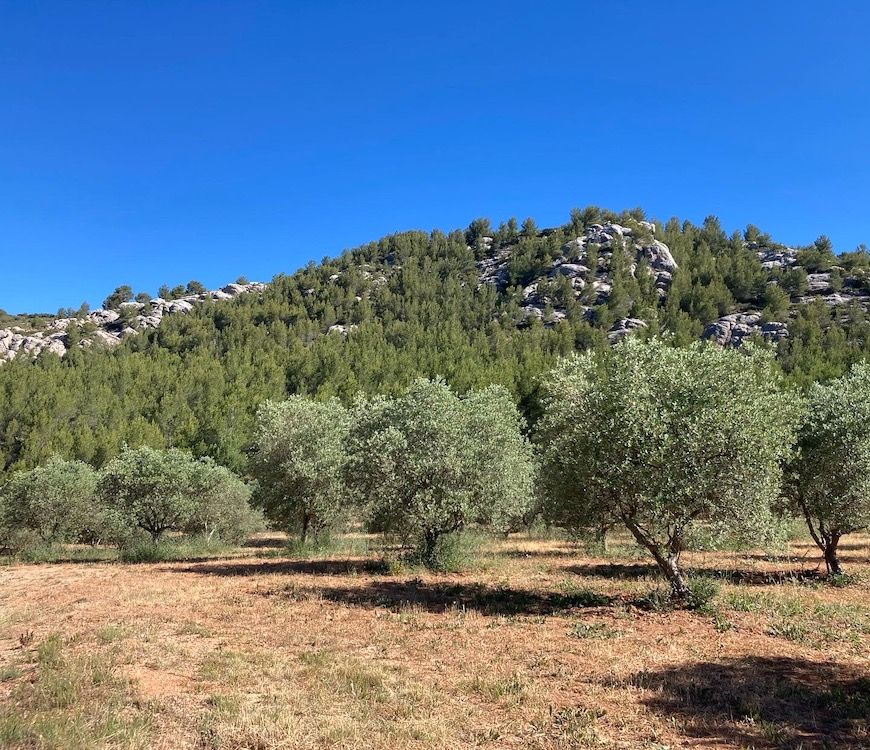
When I started planning for my sabbatical trip, I knew that I wanted to live in this region of France for two months, but I had no real idea of how to make it happen. I started off by looking at entry requirements for the European Union; and it turns out that Canadians do not need a visa to travel to countries within the Schengen area for stays of up to 90 days in any 180-day period. I joined various online expat groups to ask questions about life in France and I researched potential schools for my daughter to attend. After some digging, I was fortunate enough to locate a specialized program in Aix-en-Provence (referred to by the locals as “Aix”) that agreed to accept her as a student. Using AirBnB, I found us a centrally located apartment to act as our home base throughout our stay, and before I knew it, we were booked to live in Aix!
Aix (Aquae Sextiae) was founded in 123 BC by the Roman consul Sextius Calvinus, who gave his name to its thermal springs. It is now known best as a university city, featuring a lovely historic centre, which dates back to the 17th-century. Aix is the perfect size (143,000 population). It is a vibrant city, offering a wonderful range of cafés, restaurants and boutiques, and it hosts a wide variety of festivals and events throughout the year. It was the birthplace of Post-Impressionist painter Paul Cézanne and it is often referred to as the city of a thousand fountains.
Among the most notable are the 17th-century Fontaine des Quatre Dauphins (Fountain of the Four Dolphins) in the Quartier Mazarin, designed by Jean-Claude Rambot, and three of the fountains that run along the central Cours Mirabeau: at the top, a 19th-century fountain depicts the “good king” René holding the Muscat grapes that he introduced to Provence in the 15th century; halfway down is a natural hot water fountain (34 °C), covered in moss, dating back to the Romans; and at the bottom, at la Rotonde, the hub of modern Aix, stands a monumental fountain from 1860 beneath three giant statues representing art, justice and agriculture.


During our first month in town, we hosted a range of friends and family. It was wonderful to have so many loved ones join us to explore both the city and the region. It really helped us to settle in and feel at home. Some highlights included visiting Cézanne’s studio, as well as the Musée Granet, and the Hôtel de Caumont. I also enjoyed the historical walking city tours offered through the Tourism Centre. If you have a car, I highly recommend that you take the half an hour drive out to the Château La Coste. It has an amazing art and architecture tour, as well as a vineyard and spa. They boast an extraordinary collection of public art installed throughout the property, featuring works by globally recognized artists, such as Richard Serra, Louise Bourgeois and Sophie Calle, as well as rotating temporary exhibitions.


Thanks to the use of a rental car, we were also able to venture further afield in the region. We visited the fishing and shipping port of Marseille to try the famous fish-stew, Bouillabaisse. We spent a couple of weekends staying along the coast, enjoying the beauty of the Mediterranean in the seaside villages of Cassis and Saint Cyr Sur Mer; and we explored the beautiful Vaucluse valley with its lovely array of picturesque villages, including Goult, Gordes, Bonnieux and Rousillion. A highlight was visiting the Abbaye Notre-Dame de Sénanque.

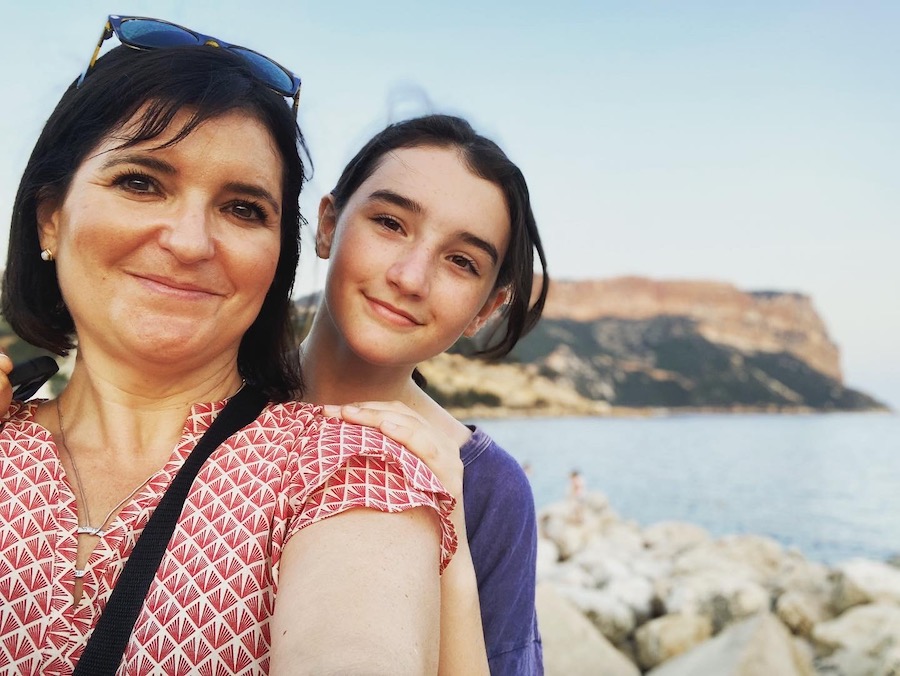
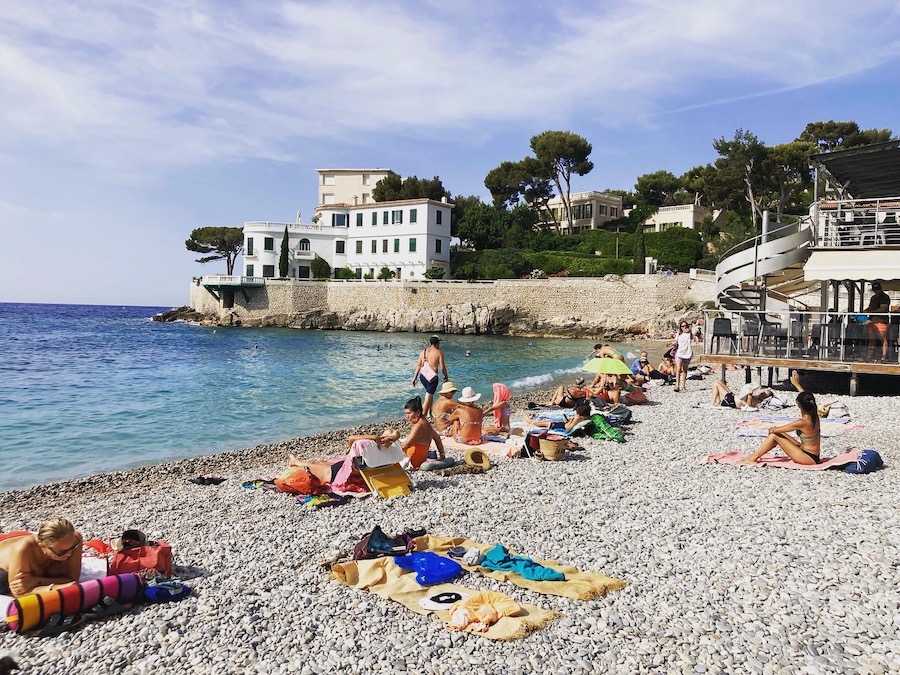


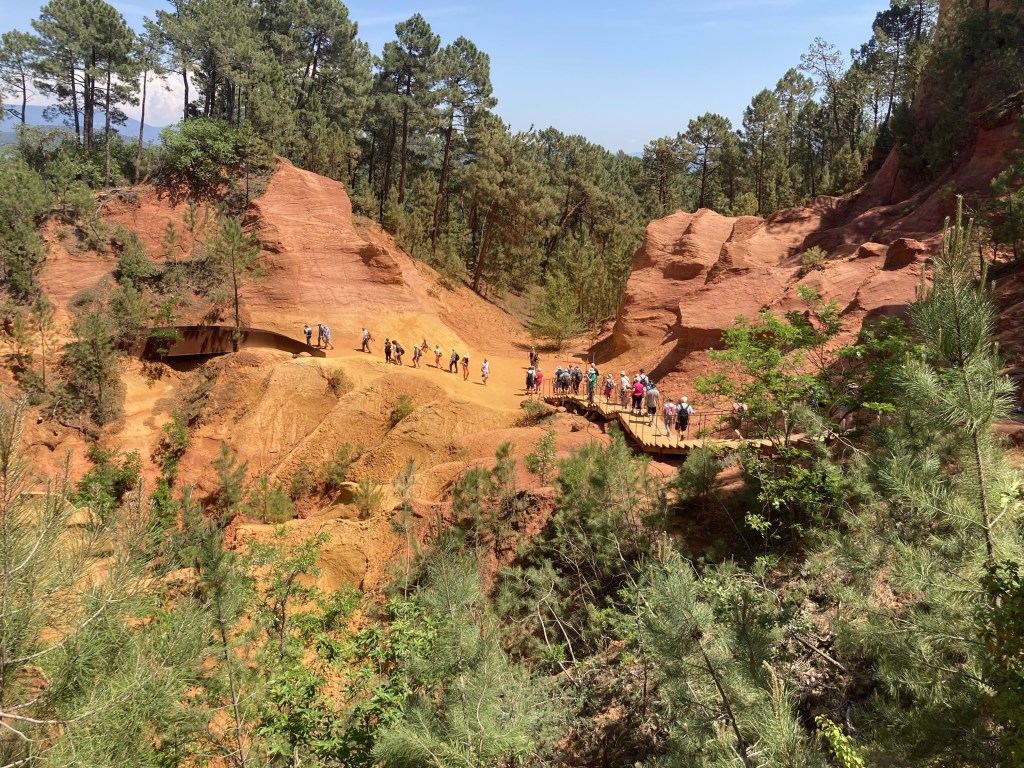
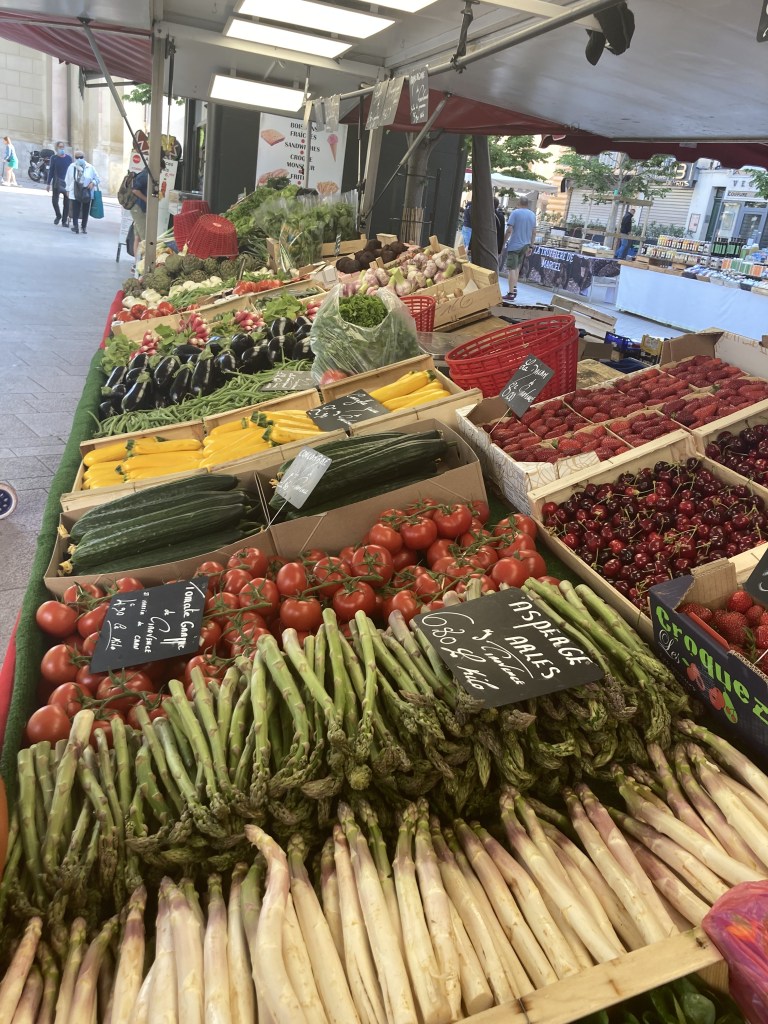
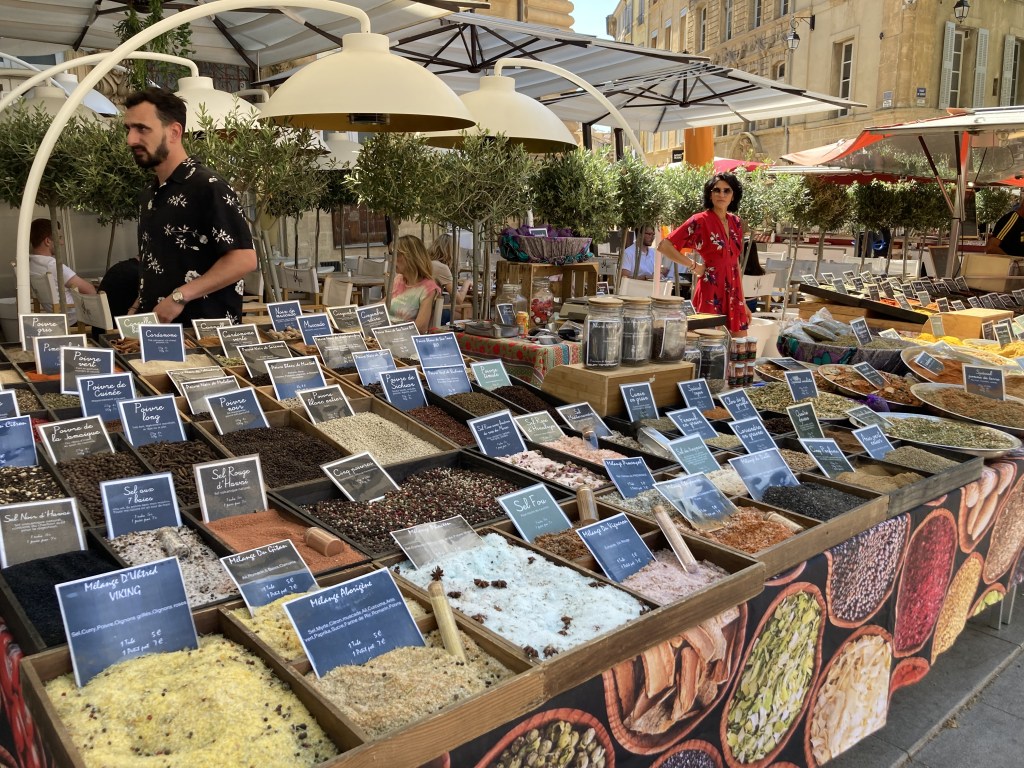
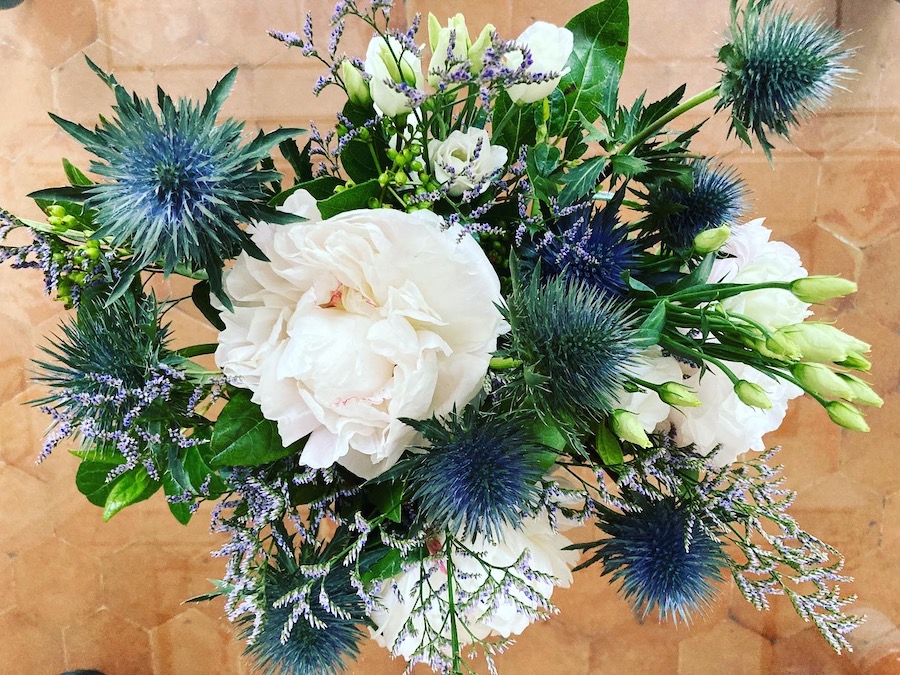
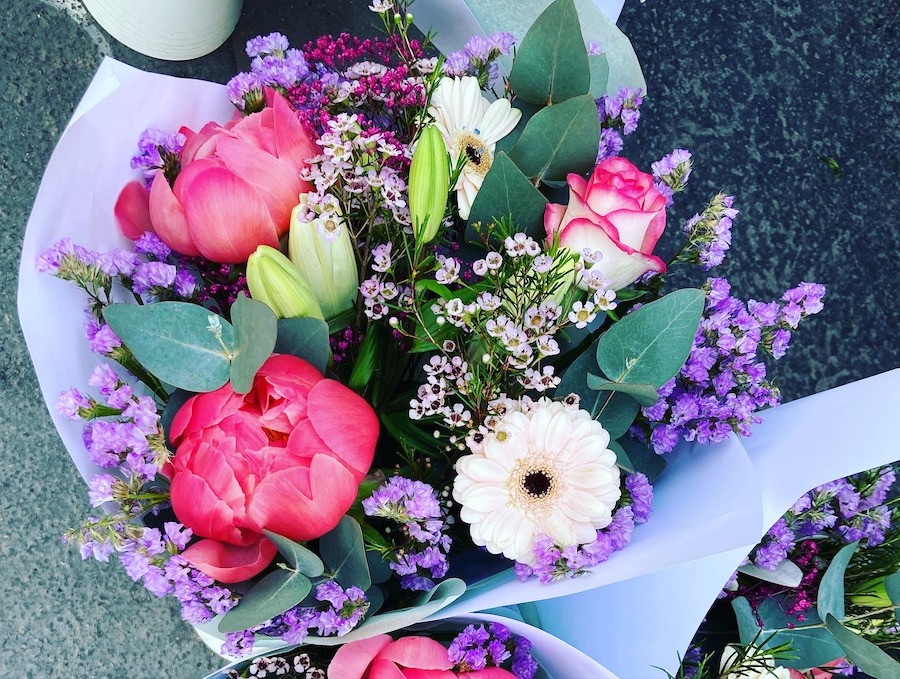
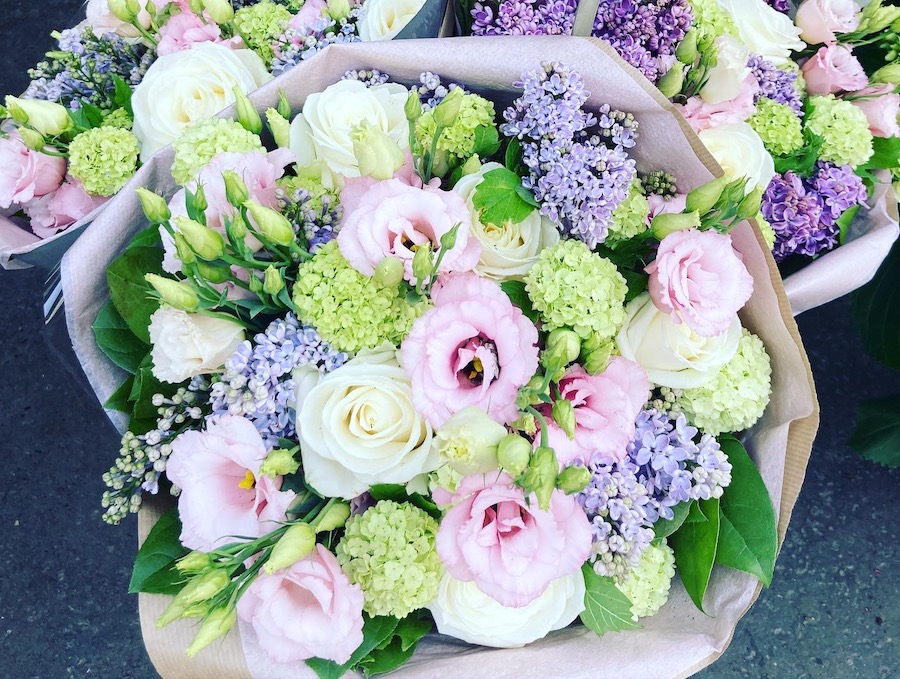
In our second month in Aix, my daughter and I settled into the slow rhythm of a quieter life together, just the two of us. She really enjoyed her school in France and she made a wonderful group of friends. After dropping her off first thing in the morning, I would make my way to the daily market to pick up fresh produce for the day. Aix hosts a market every day of the week, with the larger ones taking place on Tuesdays, Thursdays and Saturdays. I loved being able to shop for seasonal food and build relationships with the local vendors. The flower market was also spectacular.
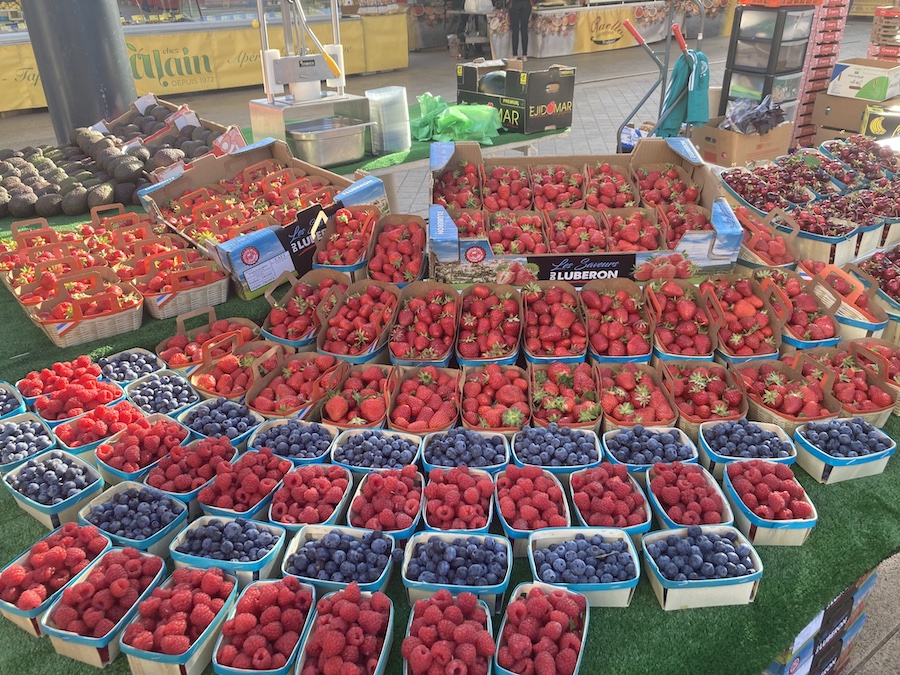
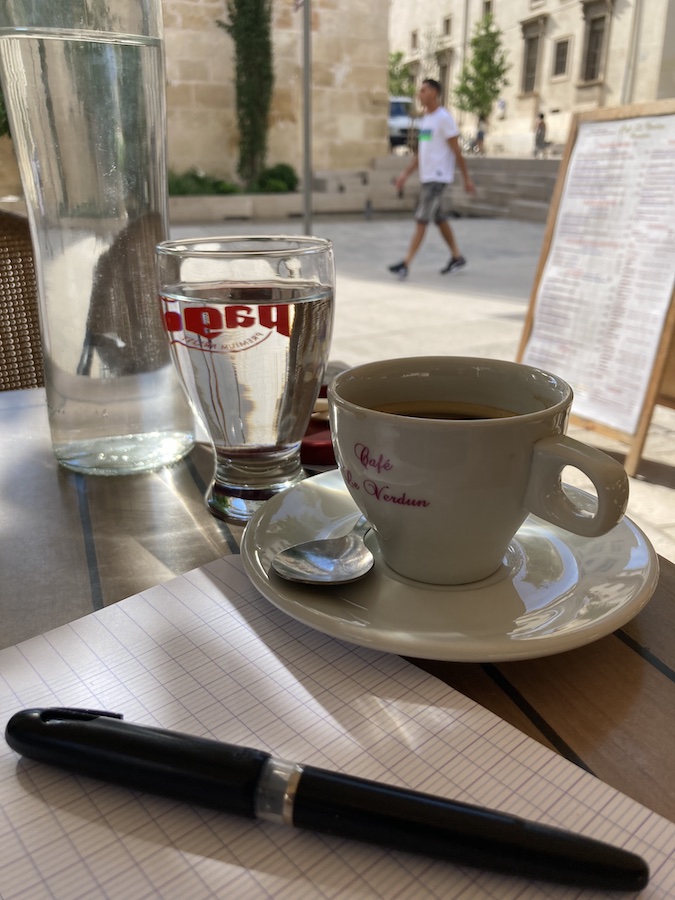
I spent a lot of my day writing and reading. In the morning, I would work by the large window in my apartment, with the sun streaming through, and listen to the swallows cry out to one another. In the afternoons, I would venture out and find a terrace, order a coffee, and work until it was time to pick up my daughter. It was a lovely way to spend the day.

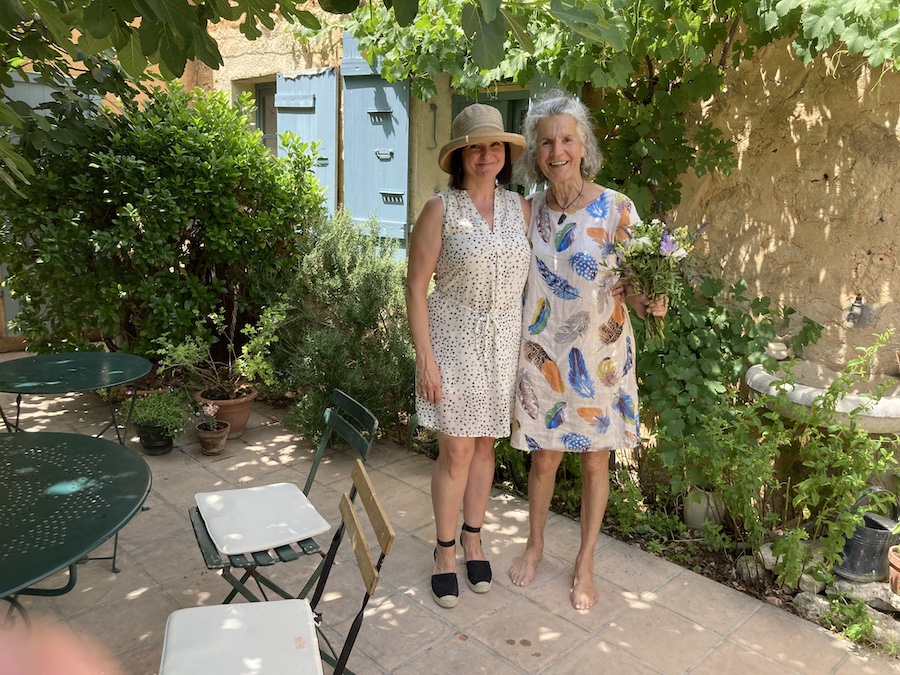
It was just as we came to the end of our time in Aix that a real shift took place in both our sense of belonging and grasp of the language. As we got close to the end of our stay, we both deepened friendships, and started to establish community. I found people who enjoyed hiking, ocean swimming and practicing yoga. My daughter’s relationships with her school friends solidified and she started to be regularly invited over for sleep-overs and birthday parties. It was a gift to have a daily opportunity to speak French and I found the locals to be very kind and encouraging.


It was a dream come true to be able to live in Provence for two-months. The time in Aix was everything that I could have hoped for and more. I would love to return to the city and stay for another prolonged visit. It is an incredibly special place and it will always live on in my heart.
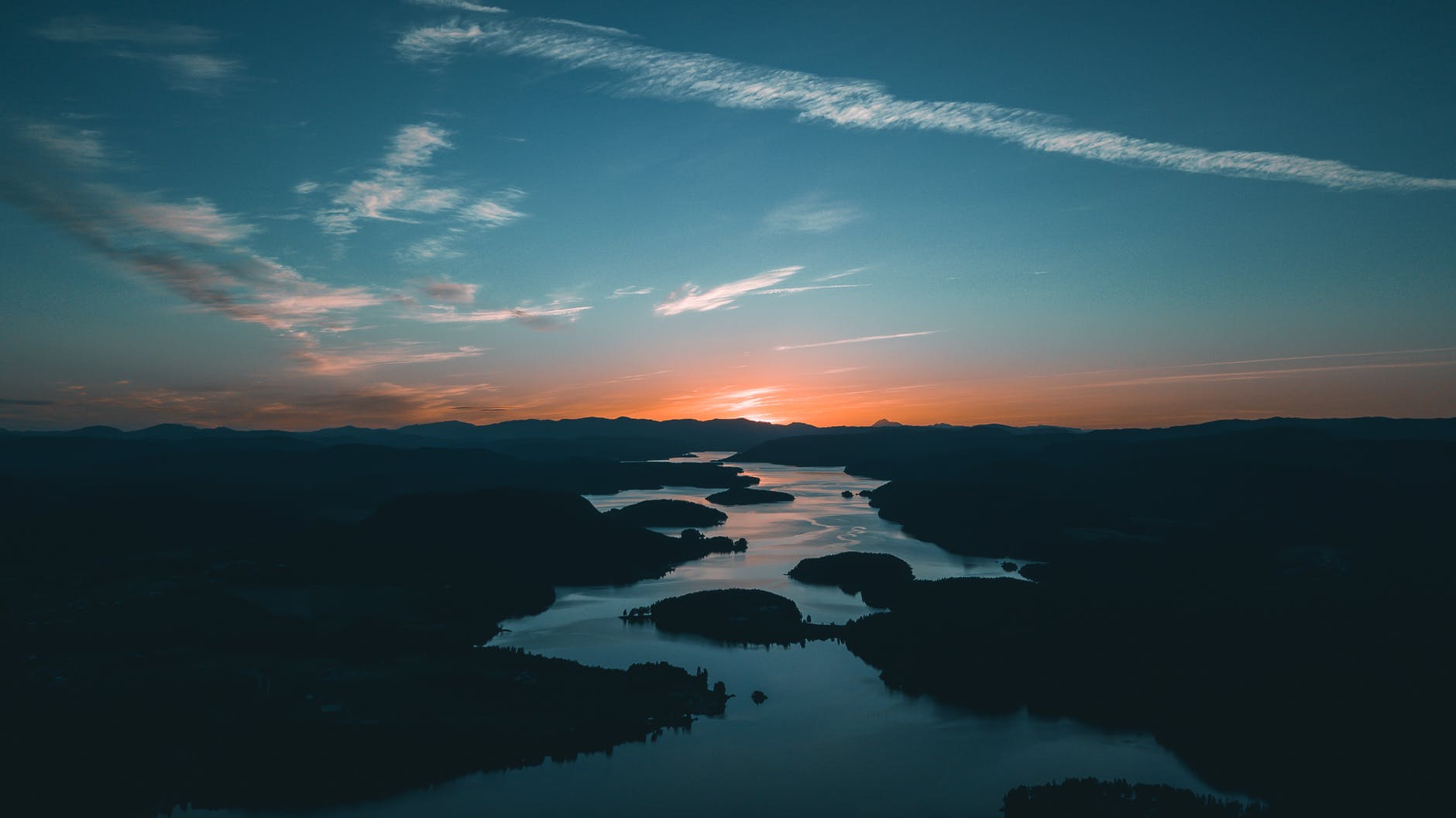
“Be drawn to the mystery and magnificence of the universe. Be awed by the beauty and splendour of this earth we live upon. Hold sacred, pay homage, and bear witness to the everyday wonders of life. Honour what has passed before us. Hope that what is ahead fulfills our destiny, and your journey will have meaning and purpose and your stay here will have counted for something. Your eyes may be small but what they see is enormous. Look straight ahead at life and do not flinch.” ~ “Dadisms”, Jackson, Salt Spring Island, Spring 2017.
This recent video from the Holistic Psychologist really impacted me. I had never before heard a love relationship described as a trauma bond. It explains why some couples stay together, despite being an unhealthy combination. I can personally relate to it as it reflects the roles that my ex-husband and I played during the latter part of our marriage. It is invaluable to gain awareness and understanding of how familiar patterns from childhood can show up in our adult lives and attachments. It reveals the complexity of human relationships and confirms we are not isolated and alone in our disfunction. More importantly, with conscious attention, practice and awareness, it gives hope that it is possible to prevent repetition of the cycle in future relationships.
Joy Journal #5: August 16, 2022
Today I went out with my friend Mary on a kayaking adventure along the coast. It was a pleasantly warm day with a light breeze. The ocean was calm and expansive. We paddled along the shoreline for an hour and a half, talking about our kids, and life in general. At one point, a massive sea lion emerged from the water in front of us, scaring both us and him. He quickly dove back under the water, leaving behind only a light trace of ripples on the surface. As we pulled into the beach, at the end of our trip, families gathered around barbeques and gas-light fire pits. We each plunged in the water, and then walked our boats home, dripping in the twilight. #JoyBlogging

“It shouldn’t require an act of feminism to know how your body works, but it does. And it seems there is no greater act of feminism than speaking up about a menopausal body in a patriarchal society. So let’s make some noise.” ~ Dr. Jen Gunter
I am turning forty-seven in October. In the last six months, my period has significantly changed for the first time in thirty-five years. It has gone from being regular and predictable to intermittent. This is an early sign that I am entering into perimenopause. Perimenopause means “around menopause” and refers to the time during which your body makes the natural transition to menopause, marking the end of the reproductive years.
Unlike the transition into puberty, this stage of a woman’s life seems to be shrouded in mystery. Neither myself, nor the friends that I have talked to about it, have any real idea what to expect, or how to prepare ourselves. In general, our mothers did not share their experiences, and due to my own mother’s journey with Alzheimer’s disease, I can no longer ask her about it.
I have decided to start educating myself on menopause and I am heartened by some of the good information that I have found out there so far. Notably, The Menopause Manifesto, was published in 2021 by gynaecologist Jen Gunter. It is a combination of personal anecdotes, hard science, and medical advice. Gunter breaks menopause down into its component parts, robbing it of its shame and secrecy. The book is organized in a way that makes it possible to pick and choose what to read based on need and curiosity. Each chapter ends with a useful summary, and diagrams help to illustrate the book’s statistics.
During the menopause transition, women can expect to experience symptoms such as weight gain, hot flashes, abnormal bleeding, temporary cognitive changes, vaginal dryness, pain during sex, decreased libido, depression and joint pain. There is also increased risk of osteoporosis, dementia, metabolic syndrome (a combination of diabetes, high blood pressure and obesity), type 2 diabetes and urinary tract infections.
It is not all, however, doom and gloom. As a gynaecologist, Gunter provides vital information on available treatments and support, from traditional hormone replacement therapies (HRT) to alternative medicines. She also discusses where we may be led astray by celebrity endorsements of natural remedies, and by “compound” therapies – treatments that resemble traditional HRT, but which remain largely unregulated and untested.
Gunter notes that patriarchal social structures mean that a woman’s worth is often weighed based on her youth and fertility. Gender and racial bias in the medical profession increase the risk of women with symptoms of menopause being dismissed. There is also a strong link to cardiovascular disease, which is responsible for the death of 1 in 3 females: more than die annually from breast cancer. This is why it is so important for us to be educated on our options and make informed choices about our healthcare.
In addition to reading Gunter’s book, I also recently listened to an interesting podcast released by Zoe on menopause, which I found to be very helpful. It features an interview with Dr. Louise Newson. She is a menopause specialist who holds an Advanced Menopause Specialist certificate with the Faculty of Sexual and Reproductive Healthcare and the British Menopause Society. She is passionate about improving education about the perimenopause and menopause and improving awareness of safe prescribing of HRT to healthcare professionals.
I hope that these resources are useful to you and I encourage you to share any others that you come across with me. I am interested in learning more about this transition so that I can support myself and my friends through this significant life change.
“We’re not doomed in any way because whatever happens, we can begin, right now, to do our very best. There’s always something small we can do to alter our habitual response, even a little bit. It could be taking a few conscious breaths, or stepping back for a moment, or walking around the block to change the energy. It could be anything, as long as it interrupts the process of escalating our suffering in the exact same habitual way, over and over and over.”
~ Welcoming the Unwelcome: Wholehearted Living in a Brokenhearted World, by Pema Chödrön,
“…the future is not one thing. So many possibilities can arise as a result of intelligence, education, curiosity and hard work. No one ever told me that and I’m sorry it took this long for me to figure it out.” ~ Ann Patchett
I love Paris. I have visited it many times in my life and it holds a lot of special memories. When I lived in the UK for six years, it was easy to access; and as I have friends and family living in the city, I have experienced it through the eyes of a resident. I have attended weddings and family gatherings. I even became engaged in the garden behind Cathèdrale Notre Dame over twenty years ago. It is for all of these reasons that Paris will always live in my heart.
The focus of this sabbatical visit was to visit family and introduce my daughter to Paris for the first time. As I had not been back for fifteen years, it was a treat for me to return. We arrived during a school break, so her cousin, uncle and aunt were able to join us for many of our adventures.

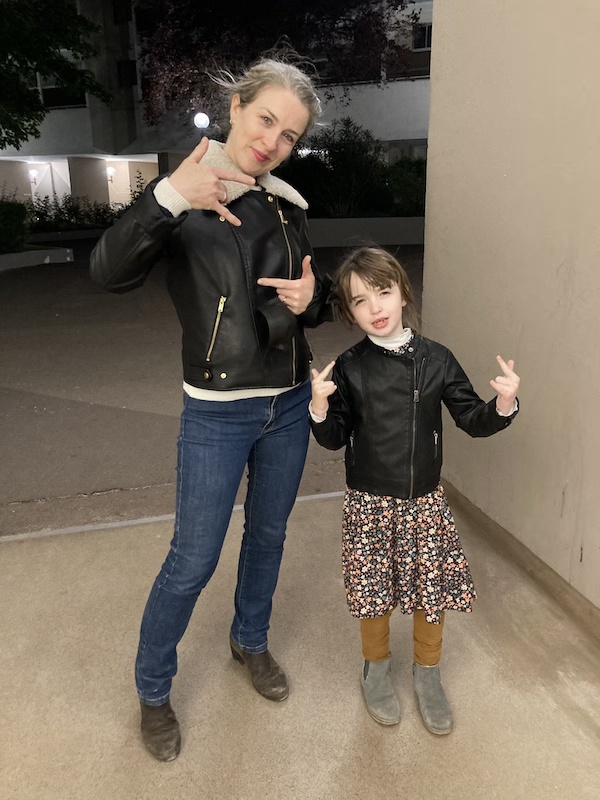
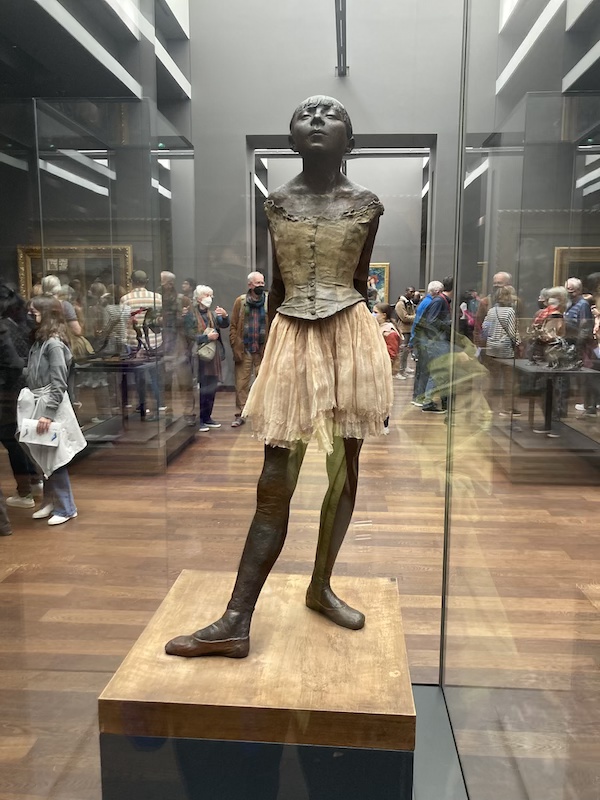
You cannot really go to Paris without experiencing the rich variety of cultural sites. Throughout the week, I took the girls to visit a variety of museums: Musée D’Orsay, Musée du Louvre, Musée de l’Orangerie, and Musée Rodin. A highlight for me was showing my daughter Degas’ statue of Little Dancer Aged Fourteen. This was the first piece of artwork that I can remember deeply moving me when I was close to her age; and it was the beginning of my appreciation for art.

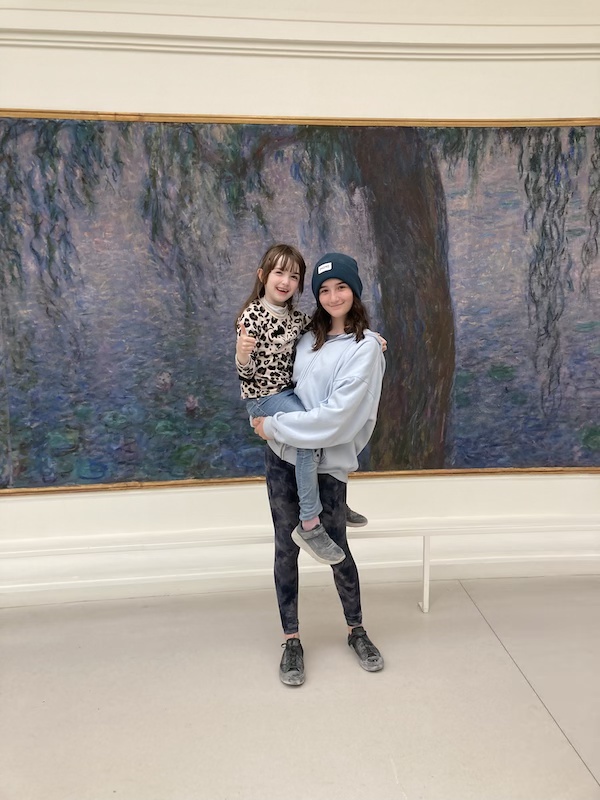
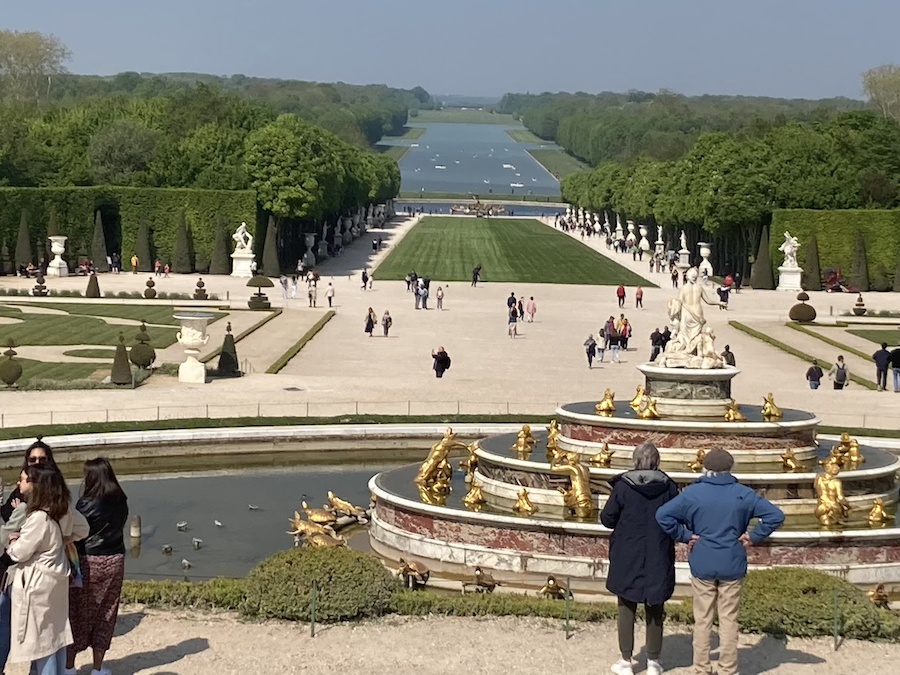
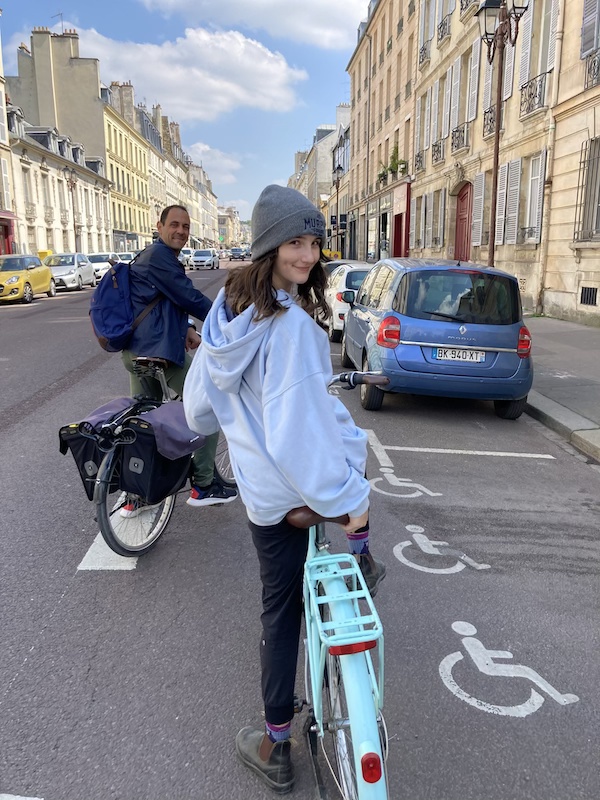
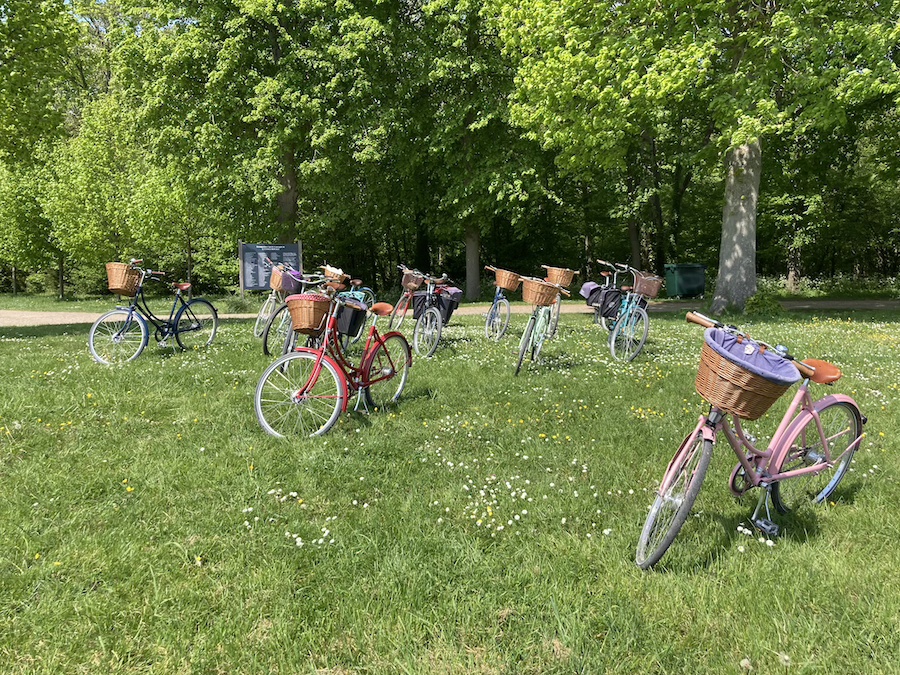
My daughter and I took a day-trip out to the Château de Versailles. I booked us a bike trip through Boutique Bike Tours, which included a visit to the royal chambers of the palace, a ride through the expansive grounds, and a picnic in the park. It was a beautiful, sunny day, and at the start of the tourist season so it was not too busy. If you ever visit Paris, I highly recommend it as an experience not to miss.
We had a wonderful time during our week in the city. This included enjoying many good meals. My daughter was adventurous and tried her first escargot! She also took a special trip with her aunt, uncle and cousin to Montmartre, where they visited Sacré Coeur and the Moulin Rouge, and had a caricature sketched by an artist. Before we knew it, our time was up and we needed to catch our train down south to Provence. It is always hard to say goodbye but we knew that we would be back soon.

On June 24, 2022 the Supreme Court overturned Roe v. Wade, ending 50 years of federal abortion rights in the United States. I cannot express the anger that I feel towards this reckless and dangerous decision. I am infuriated that four middle-aged men (three white) and one middle-aged white woman have the authority to overturn a decision that impacts the autonomy and safety of millions of women: a high proportion of which are marginalized.
Dissenting voices were Justices Stephen Breyer, Sonia Sotomayor and Elena Kagan. They wrote that the court decision means that “young women today will come of age with fewer rights than their mothers and grandmothers…from the very moment of fertilization, a woman has no rights to speak of. A state can force her to bring a pregnancy to term even at the steepest personal and familial costs.”
Almost half the states are expected to outlaw or severely restrict abortion as a result of the Supreme Court’s decision, which is related to a highly restrictive new Mississippi abortion law. The laws will affect women across the United States, many of whom will have to cross state lines to seek reproductive health care, and potentially face criminal charges for their actions. This includes those who have been sexually assaulted, suffered incest, and face grave danger if they carry pregnancy to term.
For me, this is not a political issue, it is a human rights issue. Every woman has the fundamental right to autonomy over her own body. I am incensed that my daughter is growing up in a time where rights for women are sliding backwards rather than moving forwards. I am enraged that other human rights, such as access to contraception, same-sex consensual sexual relations, and same-sex marriage are now at risk.
It is hard to not feel despair and hopelessness right now a lone individual. It is an incredibly difficult and distressing time for so many. I am, however, committed to doing what I can to help. I am donating to groups who provide marginalized women with access to abortion the United States. I am supporting the work of local abortion funds and the Repro Legal Defense Fund, which provides bail support and legal fees for anyone arrested for self-managing their abortion. I am writing to my Member of Parliament about the importance of protecting these rights in Canada. I am signing petitions. Moving forward, I will use my vote to bring about change. I will march and protest. For the sake of our children, and for those women who cannot advocate for themselves, we must show up and fight for a better future together.
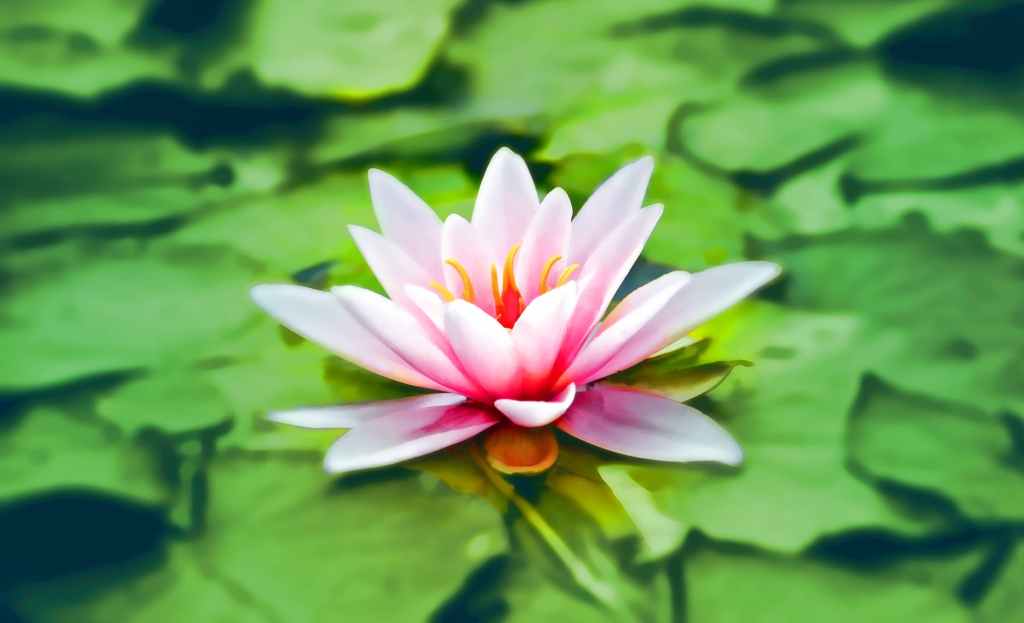
“Now. That’s the key. Now, now, now. Mindfulness trains you to be awake and alive, fully curious, about what? Well, about now, right? You sit in meditation and the out-breath is now and waking up from your fantasies is now and even the fantasies are now, although they seem to take you into the past and into the future. The more you can be completely now, the more you realize that you’re in the center of the world, standing in the middle of a sacred circle.”
~ Excerpted from: Awakening Loving-Kindness, Pema Chödrön, page 57

