Fuelling a Heathy Gut

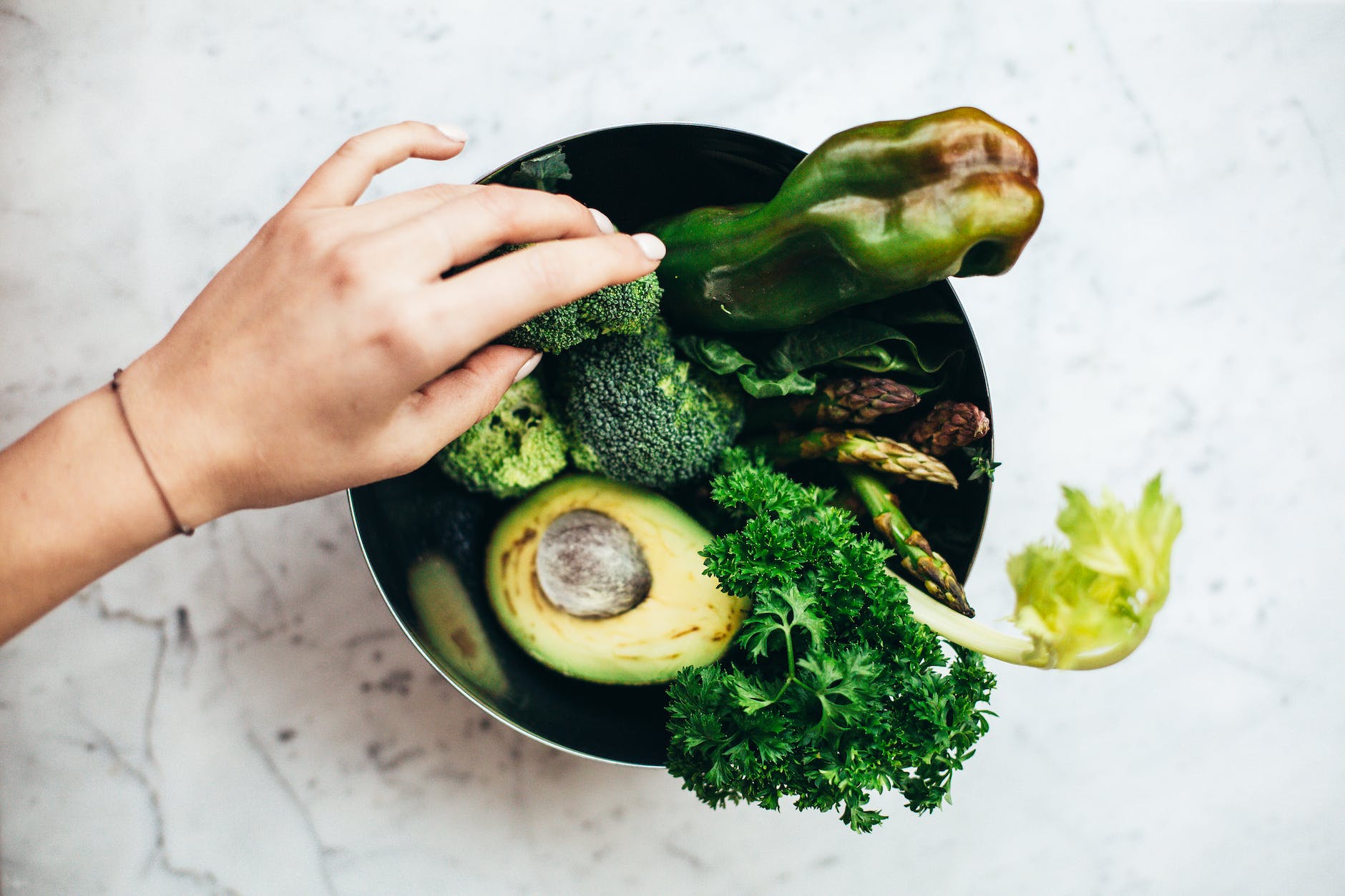
Photo by Daria Shevtsova on Pexels.com

Dr. Will Bulsiewicz (Dr “B”) is a world-renowned gastroenterologist. In his book, Fiber Fueled, he discusses how gut health is essential to weight management, overall health and well-being.

If the gut is not working efficiently, the body cannot receive the necessary nutrients for its cells. When food particles and other substances are absorbed incorrectly, the immune system goes into high alert, and it attacks them as pathogens.

This immune response, creates inflammation in the bloodstream, and it moves throughout the body. It causes digestive distress such as bloating, heartburn, or diarrhea. Interestingly, the most common symptoms for poor gut health symptoms show up in the brain: depression, anxiety, insomnia, brain fog, and poor memory.

Probiotics are our healthy gut bacteria, and prebiotics are the foods that enables them to thrive. Fibre is a prebiotic and it is part of a plant’s cellular structure. If you want to get fibre naturally, the most efficient way to do it is through eating more plants. One of the most extensive studies on microbes, published by Dr. Knight in 2017, shows that the single most significant predictor of a healthy gut microbiome is incorporating a diverse range of plants into the diet.

Research suggests that we should be eating up to thirty different plants per week to support a healthy microbiome. Every plant type feeds a unique microbe community, and the more varied the plant intake, the more diverse the microbiome in the gut.

Dr. Bulsiewicz outlines an easy way to incorporate more plants into our diet through following the acronym, F-GOALS. This acronym stands for: fruits and fermented foods; greens and grains; omega-rich nuts and seeds; aromatics; legumes; and sulforaphanes. And although it can be intimidating to begin with, here is a list of plants to get you started. You can use either frozen or fresh fruits and vegetables. Dry legumes (beans), seeds and nuts are an inexpensive and accessible option and they add fibre-rich protein into the diet; these items can be purchased from most bulk foods or grocery stores. Be careful when using canned options, however, as there is often added sugar and salt, so read the ingredients carefully.

Fruits and Fermented Foods

A study from Cornell University shows that eating a combination of fruit results in increased antioxidant activity in the body. Berries are incredibly nutrient-rich, and one study shows that eating two servings of berries per week, can reduce Parkinson’s disease by 23%.

Fermented foods, such as kimchi, sauerkraut, miso and kombucha, are rich in healthy bacteria, or probiotics. Almost every culture on earth has fermented foods as part of their food tradition because it is excellent for health and it is an efficient preservation method. Here is a link to ten fermented foods that you can easily make at home.

Greens and Grains

When it comes to grains, Dr. B encourages dropping the refined options, such as white rice and highly processed bread, and incorporating whole-grain options. One particular ten-year study of dietary patterns examined 37 different food groups and showed that whole grain consumption had the most potent anti-inflammatory effect on the body. 

Omega-3

The most efficient way to get more Omega-3 is by incorporating more seeds into your diet, such as flax, chia, and hemp seeds. Seeds are easy to incorporate into salad, porridge, smoothies or just by sprinkling onto a meal for texture.

Aromatics

Aromatics such as onions, leeks and garlic contain an enzyme called allianase, which is anti-viral, anti-fungal, and anti-parasitic. In order to activate this enzyme, Dr. B suggests using the “Chop and Stop” method. Chop up your garlic or onions and wait ten minutes before adding it to the frying pan.

Legumes

Legumes are packed with fibre. A cup of green peas contains 7 grams of fibre and lentils 16 grams. If you combine a legume with a whole-grain, such as brown rice, it creates a complete protein.

Sulforaphane

Sulforaphane is unique to the cruciferous family of vegetables, such as broccoli, Brussels sprouts, and cabbage. He especially encourages the consumption of broccoli sprouts, which you can grow at home for a very low cost.

I found this book to be really informative and I appreciated the recipes and resources provided. Dr. B lays out the complex science behind gut health in a simple, factual and accessible manner. He also recently released a more extensive cookbook, which helps to put the F-GOAL concepts into action. Both books should be available to borrow through your local library. If not, there are also a lot of great free resources available online providing delicious, plant-based recipes, such as this one.

If you do not have time to read the books, or cannot easily access them, I highly recommend listening to this great interview with Dr. B and Rich Roll. It provides a comprehensive summary of the key concepts and why they matter to your health and well-being.

Unhealthy Attachments

This recent video from the Holistic Psychologist really impacted me. I had never before heard a love relationship described as a trauma bond. It explains why some couples stay together, despite being an unhealthy combination. I can personally relate to it as it reflects the roles that my ex-husband and I played during the latter part of our marriage. It is invaluable to gain awareness and understanding of how familiar patterns from childhood can show up in our adult lives and attachments. It reveals the complexity of human relationships and confirms we are not isolated and alone in our disfunction. More importantly, with conscious attention, practice and awareness, it gives hope that it is possible to prevent repetition of the cycle in future relationships.

Unpacking Menopause

Photo by Shiny Diamond on Pexels.com

“It shouldn’t require an act of feminism to know how your body works, but it does. And it seems there is no greater act of feminism than speaking up about a menopausal body in a patriarchal society. So let’s make some noise.” ~ Dr. Jen Gunter

I am turning forty-seven in October. In the last six months, my period has significantly changed for the first time in thirty-five years. It has gone from being regular and predictable to intermittent. This is an early sign that I am entering into perimenopause. Perimenopause means “around menopause” and refers to the time during which your body makes the natural transition to menopause, marking the end of the reproductive years.

Unlike the transition into puberty, this stage of a woman’s life seems to be shrouded in mystery. Neither myself, nor the friends that I have talked to about it, have any real idea what to expect, or how to prepare ourselves. In general, our mothers did not share their experiences, and due to my own mother’s journey with Alzheimer’s disease, I can no longer ask her about it.

I have decided to start educating myself on menopause and I am heartened by some of the good information that I have found out there so far. Notably, The Menopause Manifesto, was published in 2021 by gynaecologist Jen Gunter. It is a combination of personal anecdotes, hard science, and medical advice. Gunter breaks menopause down into its component parts, robbing it of its shame and secrecy. The book is organized in a way that makes it possible to pick and choose what to read based on need and curiosity. Each chapter ends with a useful summary, and diagrams help to illustrate the book’s statistics.

During the menopause transition, women can expect to experience symptoms such as weight gain, hot flashes, abnormal bleeding, temporary cognitive changes, vaginal dryness, pain during sex, decreased libido, depression and joint pain. There is also increased risk of osteoporosis, dementia, metabolic syndrome (a combination of diabetes, high blood pressure and obesity), type 2 diabetes and urinary tract infections.

It is not all, however, doom and gloom. As a gynaecologist, Gunter provides vital information on available treatments and support, from traditional hormone replacement therapies (HRT) to alternative medicines. She also discusses where we may be led astray by celebrity endorsements of natural remedies, and by “compound” therapies – treatments that resemble traditional HRT, but which remain largely unregulated and untested.

Gunter notes that patriarchal social structures mean that a woman’s worth is often weighed based on her youth and fertility. Gender and racial bias in the medical profession increase the risk of women with symptoms of menopause being dismissed. There is also a strong link to cardiovascular disease, which is responsible for the death of 1 in 3 females: more than die annually from breast cancer. This is why it is so important for us to be educated on our options and make informed choices about our healthcare.

In addition to reading Gunter’s book, I also recently listened to an interesting podcast released by Zoe on menopause, which I found to be very helpful. It features an interview with Dr. Louise Newson. She is a menopause specialist who holds an Advanced Menopause Specialist certificate with the Faculty of Sexual and Reproductive Healthcare and the British Menopause Society. She is passionate about improving education about the perimenopause and menopause and improving awareness of safe prescribing of HRT to healthcare professionals.

I hope that these resources are useful to you and I encourage you to share any others that you come across with me. I am interested in learning more about this transition so that I can support myself and my friends through this significant life change.

The Great Backslide

Photo by Daniel Reche on Pexels.com

On June 24, 2022 the Supreme Court overturned Roe v. Wade, ending 50 years of federal abortion rights in the United States. I cannot express the anger that I feel towards this reckless and dangerous decision. I am infuriated that four middle-aged men (three white) and one middle-aged white woman have the authority to overturn a decision that impacts the autonomy and safety of millions of women: a high proportion of which are marginalized.

Dissenting voices were Justices Stephen Breyer, Sonia Sotomayor and Elena Kagan. They wrote that the court decision means that “young women today will come of age with fewer rights than their mothers and grandmothersfrom the very moment of fertilization, a woman has no rights to speak of. A state can force her to bring a pregnancy to term even at the steepest personal and familial costs.”

Almost half the states are expected to outlaw or severely restrict abortion as a result of the Supreme Court’s decision, which is related to a highly restrictive new Mississippi abortion law. The laws will affect women across the United States, many of whom will have to cross state lines to seek reproductive health care, and potentially face criminal charges for their actions. This includes those who have been sexually assaulted, suffered incest, and face grave danger if they carry pregnancy to term.

For me, this is not a political issue, it is a human rights issue. Every woman has the fundamental right to autonomy over her own body. I am incensed that my daughter is growing up in a time where rights for women are sliding backwards rather than moving forwards. I am enraged that other human rights, such as access to contraception, same-sex consensual sexual relations, and same-sex marriage are now at risk.

It is hard to not feel despair and hopelessness right now a lone individual. It is an incredibly difficult and distressing time for so many. I am, however, committed to doing what I can to help. I am donating to groups who provide marginalized women with access to abortion the United States. I am supporting the work of local abortion funds and the Repro Legal Defense Fund, which provides bail support and legal fees for anyone arrested for self-managing their abortion. I am writing to my Member of Parliament about the importance of protecting these rights in Canada. I am signing petitions. Moving forward, I will use my vote to bring about change. I will march and protest. For the sake of our children, and for those women who cannot advocate for themselves, we must show up and fight for a better future together.

Better Brain Health Challenge

Alzheimer’s disease is a progressive neurologic disorder that causes the brain to shrink (atrophy) and brain cells to die. Alzheimer’s disease is the most common cause of dementia — a continuous decline in thinking, behavioural and social skills that affects a person’s ability to function independently.

Two of my close family members suffer from advanced Alzheimer’s disease. It is a terrible, debilitating illness; but research is showing that lifestyle choices make a big difference in prevention. I recently shared the amazing work of two neurologists, Drs Ayesha and Dean Sherazi, who have dedicated their careers to raising awareness on what can be done. They are launching a free 7-day challenge, starting on Monday June 13th. I will be taking part and I encourage you to check in out.

You can sign up for free by clicking on this link:

https://betterbrainhealthchallenge.mn.co/share/IocuZmDrME3G-7FO?utm_source=manual

A Fresh Slate

For the last twenty years, my garage has been overflowing with other people’s possessions: boxes, paintings and frames, dishes and china, photo albums, clothing, furniture, art work, paper work. You name it. I have stored it. Most of these items never get picked back up again. People move or they forget that they have put them there. People pass away. It has become the land of forgotten things.

This week, I spent four full days cleaning out my garage and getting rid of everything that is not mine or in active use. The junk guys had to do three pick ups from my house. It was epic and exhausting but I feel a great sense of accomplishment, ease and joy now that it is done. I have reclaimed this space. It is no longer cluttered, clogged and impossible to walk in. It is spacious and open.

It is interesting how physical spaces are often a reflection of our internal lives. I have only recently learned how to set boundaries and to say no. I was never taught this skill as a child, and if anything, I was actively taught that I should always say yes to others. No matter my own needs, the needs of others always came first.

I have since learned that this is neither healthy or sustainable. As Brené Brown says, “the most compassionate people have the most well-defined and well-respected boundaries.” This is because when they say yes, they mean it, and when they say no, they mean it. There is no hidden anger or resentment. A yes is an authentic yes. So moving forward, I am going to say no when anyone asks to store something in my garage: it is not theirs to fill up. This will leave me with the space to say yes to the things that I truly want to.

TED Talks: Stop Languishing and Find Flow

Have you found yourself staying up late, joylessly bingeing TV shows and scrolling through the news, or simply navigating your day uninspired and aimless? Chances are you are languishing, says organizational psychologist Adam Grant. He breaks down the key indicators of languishing and presents three ways to escape that “meh” feeling and start finding your flow.

Sober Curious

Photo by Elina Sazonova on Pexels.com

“Sobriety is the capacity to savour.” ~ Russ Hudson

In western society, alcohol is a symbol of sophistication, adulthood and relaxation. It represents having fun and letting loose. Consuming alcohol is often the centre point of many social gatherings, especially for young adults. Familiar sayings include: “I deserve a glass of wine” and “I need a drink to unwind.”

Cultural forces fuel consumption. Since the mid-1990s, there’s been a ‘pinking’ of the alcohol market, with skinny cocktails and berry-flavored vodkas. Alcohol is packaged as an essential tool to “surviving” motherhood. Funny memes circulate the internet and wine companies brand their product as “mommy juice.” Women are sold the idea that parenthood is a burden that only alcohol can soothe: it is presented as the ultimate way for a woman to relax and reward herself. As a result, there is a growing number of alcohol dependent women.

“The pace at which most women live is punishing,” says Ann Dowsett Johnston, author of Drink: The Intimate Relationship Between Women and Alcohol. “You race home from a busy day at the office and have emails from work waiting for you and food to prepare and laundry piling up. The easiest thing to do when you’re standing at the cutting board making dinner is pour yourself a glass of wine. It’s the ultimate decompression tool.”

More women are drinking and the amount that they are drinking is increasing. A 2017 study sponsored by the National Institute on Alcohol Abuse and Alcoholism laid it out in stark terms. From 2001 to 2013, the prevalence of alcohol use among women in the U.S. rose nearly 16 percent. And during the same time frame, the percentage of women who have four or more drinks on a given day, on a weekly basis, rose by 58 percent. “Drinking has a tendency to escalate—one glass turns into two and then three,” says psychologist Joseph Nowinski, PhD, author of Almost Alcoholic. “That doesn’t mean you’re an addict, but you should be aware that you’ve moved from low-risk drinking to a level that’s more dangerous.” A 2017 study in the journal JAMA Psychiatry found that problem drinking, defined as drinking to the point where it interferes with your life or you are unable to stop, jumped by more than 80% among American women between 2002 and 2013.

Women are also more likely than men to experience long-term negative health effects from alcohol use. A study from the University of Oxford found that many serious illnesses and chronic health conditions are linked to drinking, even at low levels. Long-term alcohol use can increase the risk of at least eight types of cancer (mouth, pharynx, larynx, esophagus, liver, breast, colon, rectum) and numerous other serious conditions (e.g. epilepsy, stroke, pancreatitis, dysrythmias, and hypertension).

It is important for women to speak openly to one another about the risks of alcohol consumption. It is easy it is to cross the line into dependency. We need to share our experiences and provide support to one another. Many people rely on some form of substance to ease from the pressures of daily life. Alcohol is readily available and drinking is openly encouraged but it can easily spin out of control: eventually leading to a decline in overall levels of mental and physical health.

In my own life, I have loved more than one alcoholic. I have witnessed first-hand how addiction destroys a person’s health and the ability to connect with others. It is a slow and painful loss. This experience made me mindful of my own relationship with alcohol; and I began to notice how I used it as a crutch when I was feeling particularly sad or stressed. It soothed the immediate pain but it was not the cure. Alcohol is more of a blunt instrument than a finely tuned tool. As Brené Brown says in the Gifts of Imperfection, “We cannot selectively numb emotions, when we numb the painful emotions, we also numb the positive emotions.”

Over the years, I have learned that even the hardest feelings have something to teach me, but in order to receive, I must be willing to surrender: to place my head in the mouth of the lion and trust that I will not die. As a mother, I want to model making healthy choices for my daughter: to teach her that there are better ways of coping with the many pressures of life. I hope that when she witnesses me choosing to take a brave and open-hearted path, it will encourage her to do the same. All of these considerations eventually led me to the decision to give up alcohol and rely on other practices for stress management and relaxation (e.g exercise, meditation, yoga).

At first, it was not easy being one of the only sober people in the room. It runs against the grain of what everyone else is doing and it makes you stand out. I was often asked why I was drinking sparking water instead wine. When I responded that it was a choice for my health and wellbeing, I received a blank stare, or confused expression in return. Many people could not wrap their head around the concept; and some viewed my sobriety as a personal criticism of their choice to drink. Is it not. It is a gift that I am giving to myself. Over the years, this tension has lessened: or maybe I am just not worried about what other people think anymore. The people who initially had the most issue with my decision, faded out of my life, and those that still remain are very supportive. I cherish each opportunity to spend time with the people I love, with a clear head, and wake up in the morning, with no regrets.

“The opposite of addiction is not sobriety but connection.”

~ Jessica Lahey, The Addiction Inoculation

There is a growing movement of “sober curious” women seeking to have a different relationship with alcohol and a range of support options available to them. This includes programs and resources that offer assistance with everything from moderating alcohol intake to choosing abstinence. Here are a few that I have come across. I hope that you find them helpful. Let me know if you discover any new ones to highlight.

Club Soda Club helps people live well by being more mindful about drinking. Whether you want to cut down, take a break from alcohol, or stop drinking all together, you are welcome to join them.

Moderation Management (moderation.org) is a free program that starts with 30 days of abstinence and includes a “mutual-help” environment with meetings that you can attend in person or dial into by phone as you work on changing your habits.

Hello Sunday Morning recognizes that you don’t need to have a clinical addiction in order to change your drinking habits. Whether you just want to learn how to limit your drinking, take a break or just better understand alcohol use, Hello Sunday Morning can help. 

The Luckiest Club is a web-based, online information-sharing and connection platform which seeks to provide opportunities for like-minded people to find each other and form connections. It facilitates the sharing of information that improves understanding of addiction, sobriety, sober living, and related information.  

Tempest provides a mobile, self-directed yet supported method to get and stay sober. The course includes weekly live sessions, weekly recorded lectures, Q&A sessions, daily guided meditations, intention-setting and more. 

Reframe a platform that utilizes neuroscience and brings together an evidence-based behaviour change program, with tools, and a supportive community.

Reversing Alzheimer’s Disease

Photo by Elle Hughes on Pexels.com

Neurologists, Dean and Ayesha Sherzai, created the Healthy Minds Initiative in response to the helplessness that they felt working within the traditional “sick care” model. After watching all the latest drugs and treatments fail to stop dementia, they set out to discover a better preventative approach.

Currently, approximately six million people are living with Alzheimer’s disease in the U.S. and 500,000 in Canada. It is the most common type of dementia. Every 64 seconds someone is diagnosed. This number is likely an underestimation of its true prevalence, as many people consider cognitive impairment to be a normal part of aging, and therefore never report it.

Two-thirds of individuals diagnosed are women. The likelihood of a woman developing Alzheimer’s disease during her lifetime is 1 in 6, compared to a man, which is 1 in 11. It is projected that if we do not take measure to slow the current trajectory, the number of people living with this disease will triple by 2050.

The good news is that Alzheimer’s is not a genetic inevitability and a diagnosis does not have to result in a death sentence. In fact, according to these two doctors, 90% of all Alzheimer’s cases can be prevented; and for the 10% with a strong genetic risk for cognitive decline, the disease can be delayed for ten to fifteen years.

Based upon their extensive research, the Sherzai’s have formed the following conclusions:

  • Physical exercise increases both the number of brain cells and the connections between them.
  • Chronic stress puts the brain in a state of high inflammation, causing structural damage.
  • Restorative sleep is essential for cognitive and overall health.
  • Meat and animal products are degenerative for your brain.
  • Education, learning and other complex cognitive activities protect your brain against decline.
  • Social support has an undeniable influence on the way your brain ages.

They developed a plan to promote the necessary lifestyle changes. They call the plan, “NEURO.”  It includes:

  • Nutrition: A whole-food, plant-based diet low in sugar, salt, and processed foods.
  • Exercise: An active lifestyle that incorporates movement every hour.
  • Unwind: Stress management in the form of meditation, yoga, mindful breathing exercises.
  • Restore: Seven to eight hours of regular, detoxifying sleep.
  • Optimize: Multimodal activities that challenge many of the brain’s capacities.

I have included two great interviews with the Sherzai’s below, with Rich Roll, where you can gain a solid understanding of their work. They have also written two books, The Alzheimer’s Solution, and The 30-Day Alzheimer’s Solution, as well as produce a regular blog and podcast on the subject.

Embracing Anxiety

Anxiety has been my constant companion since I was a young teen. It is an emotion characterized by feelings of tension, worry and physical changes like a racing heart. It is a feeling of being in danger, without knowing exactly why. People who experience anxiety tend to have recurring, intrusive thoughts and concerns. They may avoid certain situations or experiences. Anxiety can be debilitating: convincing you that hiding in bed is preferable to facing the outside world.

Over the years, I have learned that being a highly-sensitive person is a super-power. It allows you to see, feel and experience the world around you more deeply and in technicolour. You tend to notice details, make subtle connections, and understand complexity. You also empathize deeply. All of this goodness also lends itself to anxiety. The gift is also the curse.

In order to live at peace with my anxiety, I have cultivated some tactics, and I thought I would share them with you.

Movement

I move my body every day. Whether it be yoga, walking, or a high-intensity strength class, it is essential to regularly sweat and stretch. Movement helps to break the anxiety loop and grounds me in the moment. It connects me to my heart and breath. Whether I want to do it or not, I move every day, often several times a day. It is always worth it.

Nourishment

What you fuel your body with is really important. Over the years, I have given up caffeine, as it makes my heart race and anxiety soar. Sugar is another ingredient to be avoided. Many major diseases that plague us—including cancer, heart disease, diabetes, arthritis, depression, anxiety and Alzheimer’s—are linked to chronic inflammation. My naturopath recommends following a low-inflammation diet as a preventative measure and I have found it to be a very useful approach.

Routine

Creating a daily routine is a way to keep small promises to yourself. When you consistently show up, and follow through on your commitments, you provide yourself with a steady and reliable source of internal support. For some strange reason, I often experience resistance to doing the things that I love the most (exercise, meditation, writing, practising French) but if I scheduled time for the activity, and I follow through, I never ever regret it. Even if it is only for five minutes, it still counts, and it fills me up. The important thing is to be consistent.

Acceptance

Anxiety wants to be in charge. It tries to protect you by imagining every possible scenario: often the most negative and scary. This is futile. The reality is no one knows what is going to happen and it almost never unfolds in the way we think it will. It is important, instead, to sit with the discomfort caused by the unknown and create space for it to just be. Anxiety needs to be thanked for its service and offered appreciation for what it is trying to do, which is keep you safe; but it also needs to be taken out of the driver’s seat, and moved into the back of the bus, where it can relax, look out the window, and enjoy the view.

Support

Aside from all of the personal practices that I have put into place, I am also fortunate enough to have the support of medical professionals. I have access to a skilled therapist. The amount of time that I spend with her varies, depending on what is going on in my life, but I am grateful to have her there as a reliable resource. Having a someone to talk to about my anxiety, and a safe place to share, is incredibly helpful. In addition, I take a low daily dose of anxiety medication, under the guidance of my doctor. Although it does not remove the anxiety, it provides me with a stable internal base, and it supports my overall capacity to cope and take care of myself.

Privilege

This discussion would not be complete without acknowledging the incredible privilege that I possess to make these choices for myself, and access these resources, as a white middle-class woman. I do not face the trauma, systemic racism, poverty and abuse that many Black, Indigenous, and People of Colour (BIPOC) do each and every day. The anxiety that they experience is not even comparable.

Resources

Here are a few resources that I came across and thought worth sharing. The first is a short Instagram video from Mel Robbins. The second is a podcast from Rob Bell, with his wife Kristen, who experiences anxiety. Both women share a thoughtful perspective and some tangible tactics.

Healthy Mind, Healthy Body

I have been exercising at home since the start of the pandemic. Although I used to miss working out with a group in the studio, I am now really enjoying the range of great online resources . My sister recently introduced me to the workouts of Heather Robertson on YouTube and I love them. This is my new go to workout site.

Holding Pattern

Photo by Leonardo Yip on Unsplash

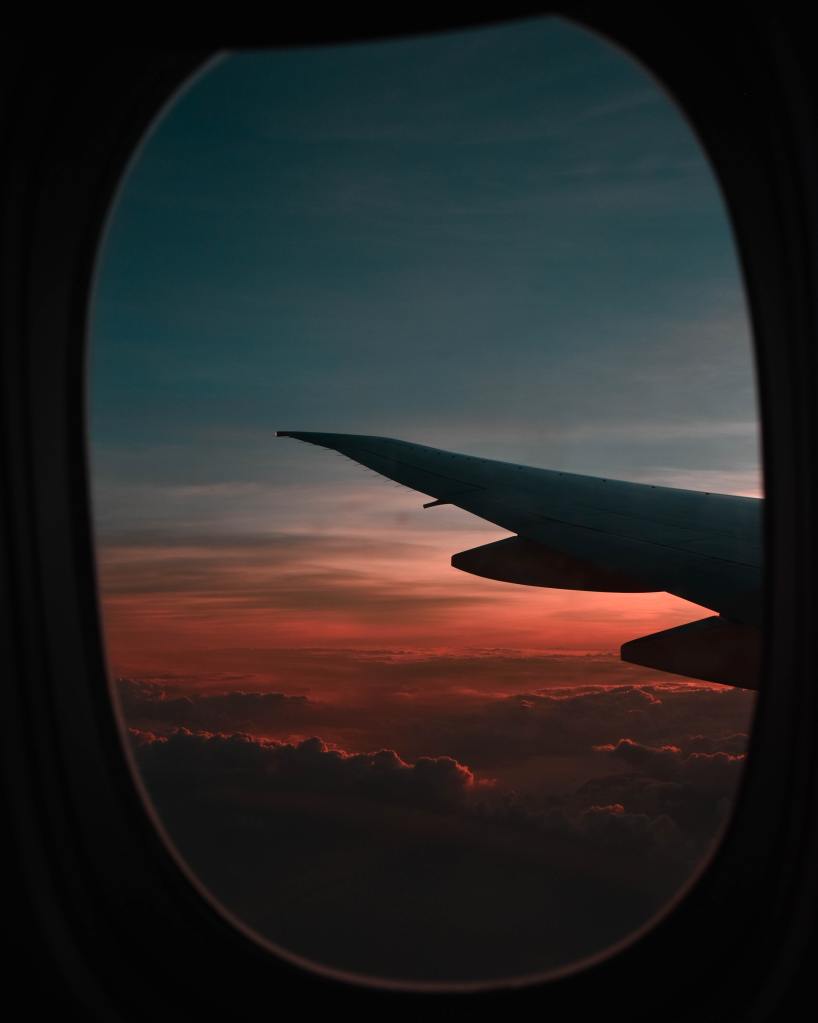
Life these days reminds me of the film, Groundhog Day, in which Bill Murray’s character becomes stuck in a time-loop, and he is forced to live the same day over and over again. There is so little variance in daily life under COVID; it all feels the same. Our social circles are tiny, if not non-existent; we meet with colleagues via Zoom or Teams and rarely see people in person. Many of our activities occur within the walls of our own homes. I sometimes feel like a passenger gazing out of the window of a plane, circling above the airport, waiting for permission to land: waiting for “life” to start again.

We recently marked one year of living under COVID restrictions, and despite the many challenges, I have been reflecting upon the unexpected benefits. I can take my daughter to school in the morning and I am here when she arrives home. I no longer make the commute twice a day; and it is an easy transition from ending work to beginning our evening routine. My workplace has fully adapted to online collaboration, something which normally would have taken another decade, or more, to come to fruition. Our lives generally move at a slower pace. Less driving. Less commitment. Less rushing.

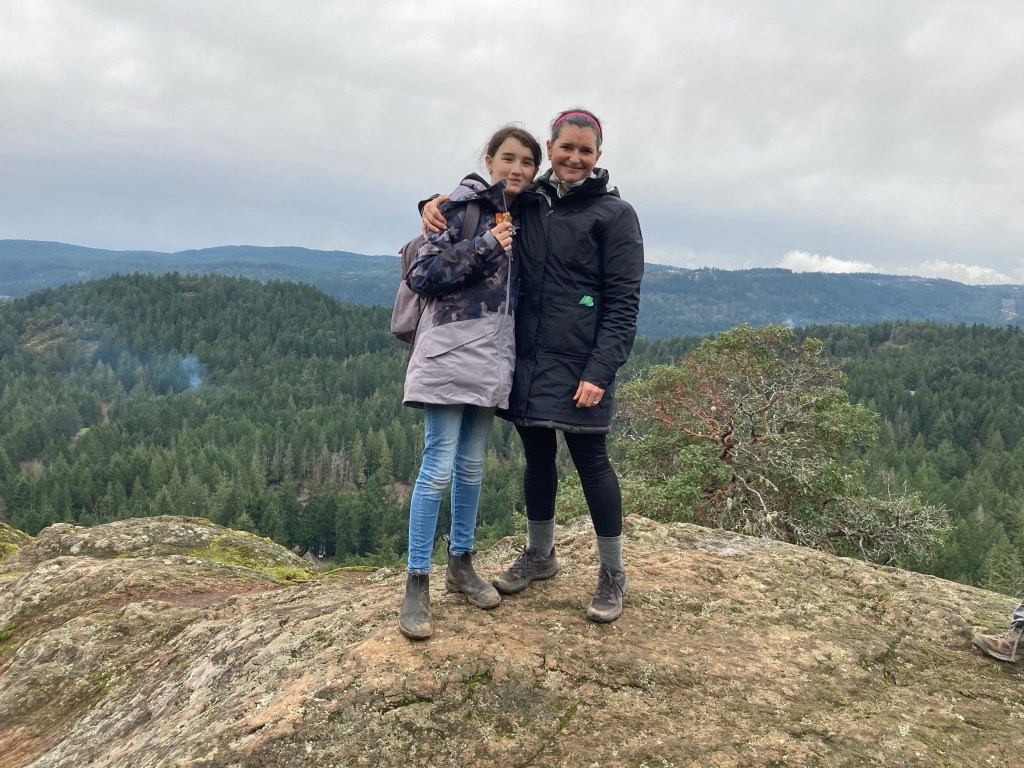
My main source of joy at the moment is spending time outside with friends and family in nature. We cannot currently do any of the things that we would normally do, such as travel, gather for dinner, or attend events, so the outdoors has become our playground. There is something so nourishing about being outside together. We hike and explore in sun, rain and snow. All it requires is a pair of waterproof hiking boots, a warm jacket and a trail app. My daughter has also become quite the little walker, so it is something we now look forward to doing together. There is so much beauty to discover in our local area, surrounded by trees, water and sky.

I have also discovered the joy of cold swimming. This global phenomenon gained traction at the start of the pandemic when people sought new ways to connect and combat depression. Coldwater therapy is known to support a range of health benefits, such as promoting good mental health, boosting the immune system, enhancing circulation, reducing stress and inflammation. I am hooked. I regularly meet with my friend for a weekly plunge in the ocean and it is always a fun and memorable experience. Not only is it a wonderful opportunity to catch up but my body feels electric all day after a swim.

Although “regular life” currently feels like it is on hold, I am grateful for the opportunity to discover new ways of spending time with loved ones, despite the restrictions. Nature is a remarkable phenomenon that should not be taken for grated. This pandemic has taught me to appreciate each and every day and to seek joy in unexpected places. I have also been reminded of how precious our natural surroundings are and how we all need to work together to actively protect these gifts: both for ourselves and for generations to come.