
Something to Inspire
Since the start of the pandemic, I have been exercising at home, and I am always on the lookout for good resources. As of late, I have been enjoying the yoga classes offered by Adriene Mishler on her YouTube channel. She teaches a range of styles, from Vinyasa (active) to Yin (rest and recovery), and she also offers different length classes. It is a good quality, free resource and I hope that you enjoy it!
Joy Journal #7: August 28, 2022

In these last few days of August, I watch the salmon battle at the mouth of the creek that runs behind the house. Little boys nudge at the slippery masses of red and black with wooden sticks. The fish struggle to crawl upstream over pebbles and rocks, aggressively pushing past each other to deposit their eggs: an irresistible yearning calling them home. Glassy-eyed carcasses line the shoreline and cormorants feast. The leftovers decompose into nitrate, providing essential nourishment to this delicate ecosystem. Fall impatiently taps her fingers, waiting to settle in. #JoyBlogging
Amélie (originally known as Le Fabuleux Destin d’Amélie Poulain) is a 2001 French-language romantic comedy film directed by Jean-Pierre Jeunet. Written by Jeunet with Guillaume Laurant, the film is a whimsical depiction of contemporary Parisian life, set in Montmartre. It tells the story of a shy waitress, played by Audrey Tautou, who decides to change the lives of those around her for the better, while facing her own loneliness and isolation.
I love this film as it is quirky and creative, as well as beautifully shot and acted. Its underscores the importance of small acts of kindness and it highlights how we all belong to one another.
On the final leg of our sabbatical trip, we stopped in New York to visit friends and family. One of my best friends, Elise, lives in the city, and my sister lives upstate, so we were able to enjoy a mixture of urban and rural experiences for the final ten days of our adventure.
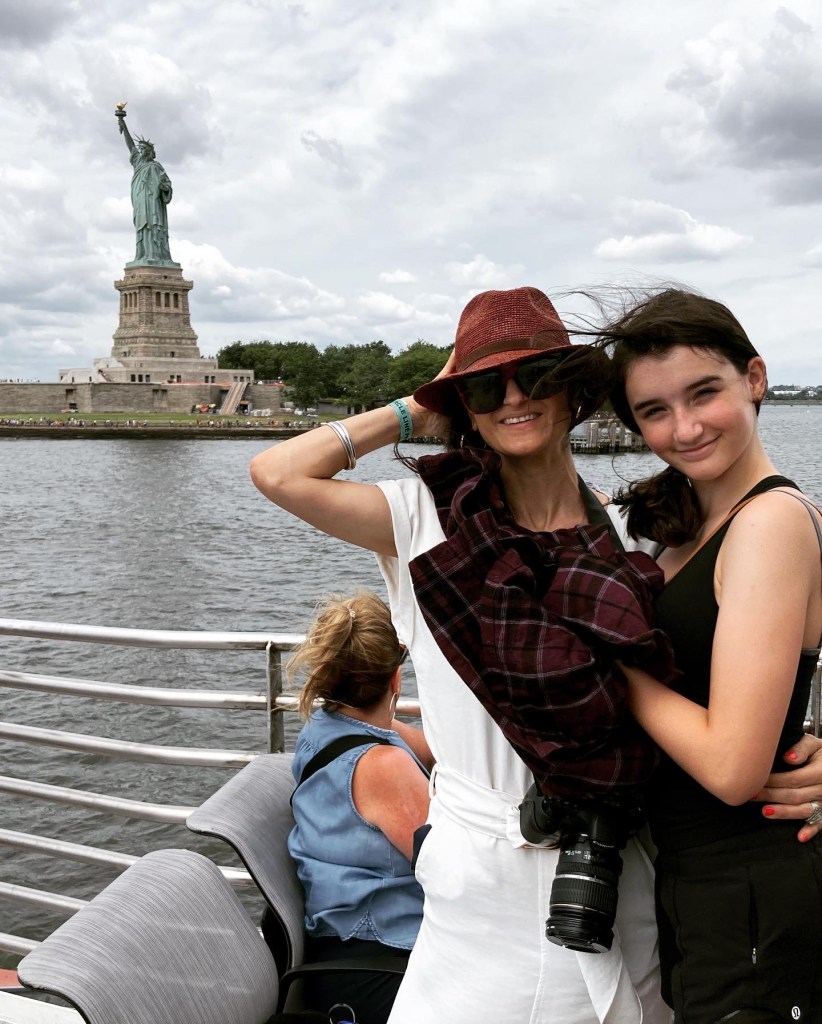
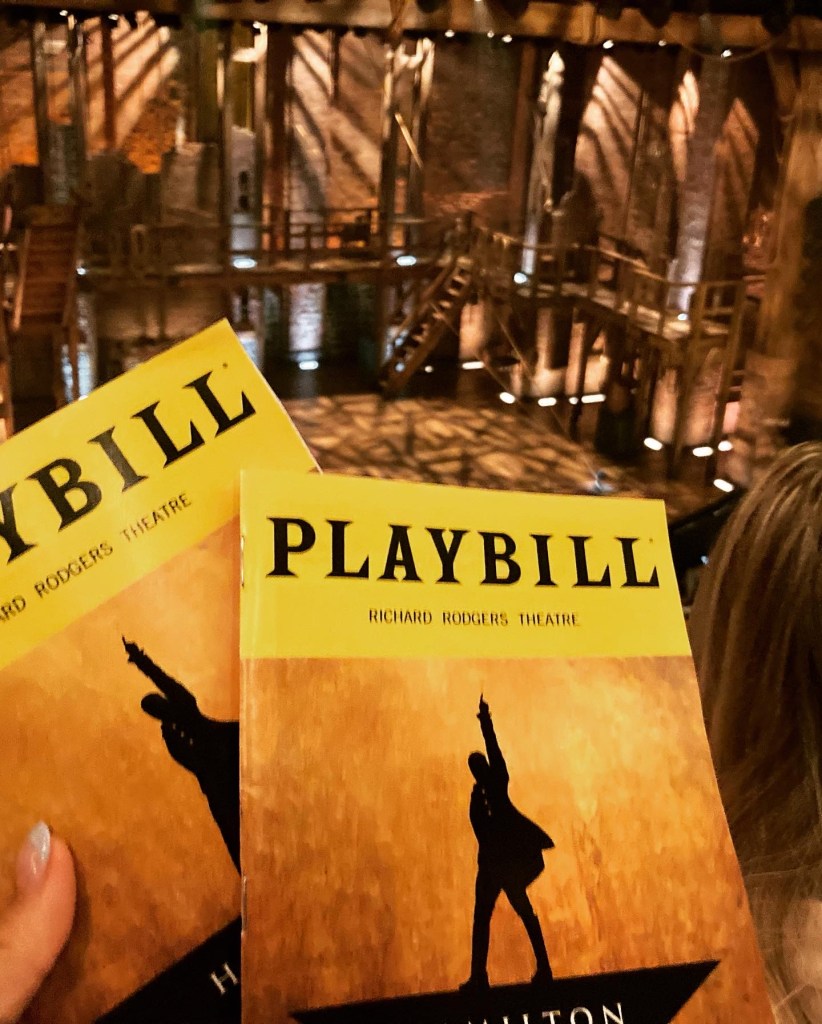
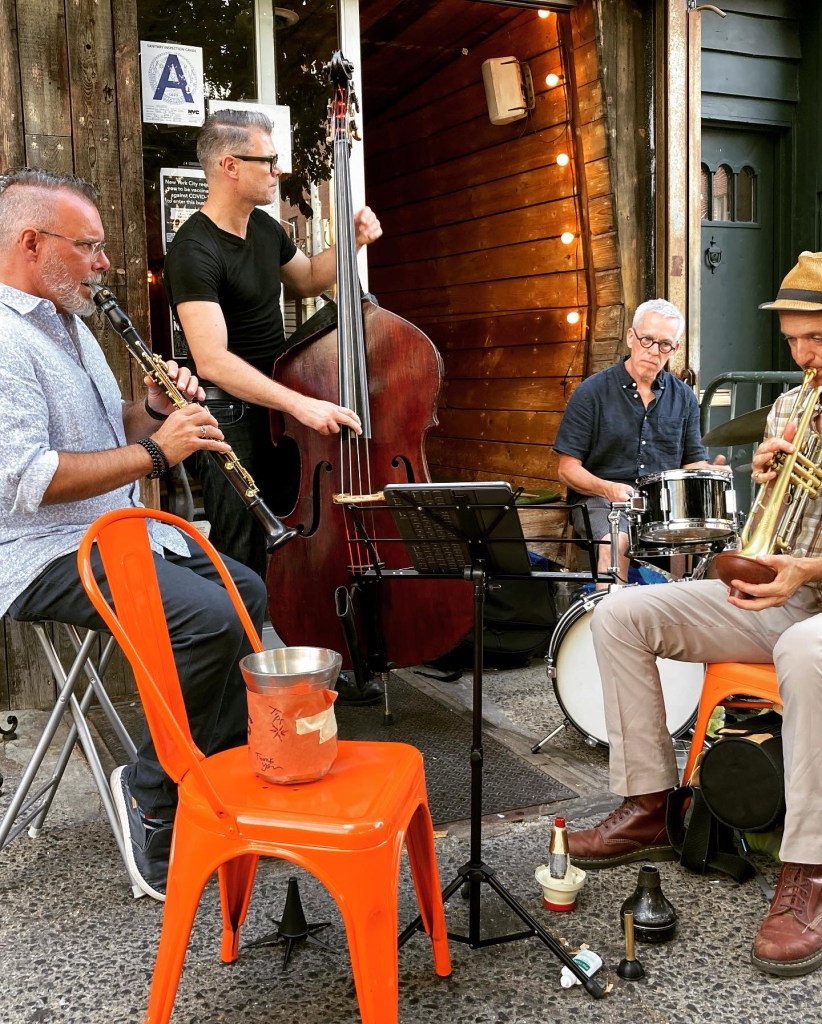
We started off by meeting my sister in NYC. It was my daughter’s first time in the city, so it was fun to be tourists together, and explore some of its many attractions. Some of the highlights included: taking a boat ride along the Hudson to the Statue of Liberty and Ellis Island; seeing Hamilton on Broadway; visiting the MoMA; catching an impromptu jazz show of François Houle and friends; and eating our way around town!



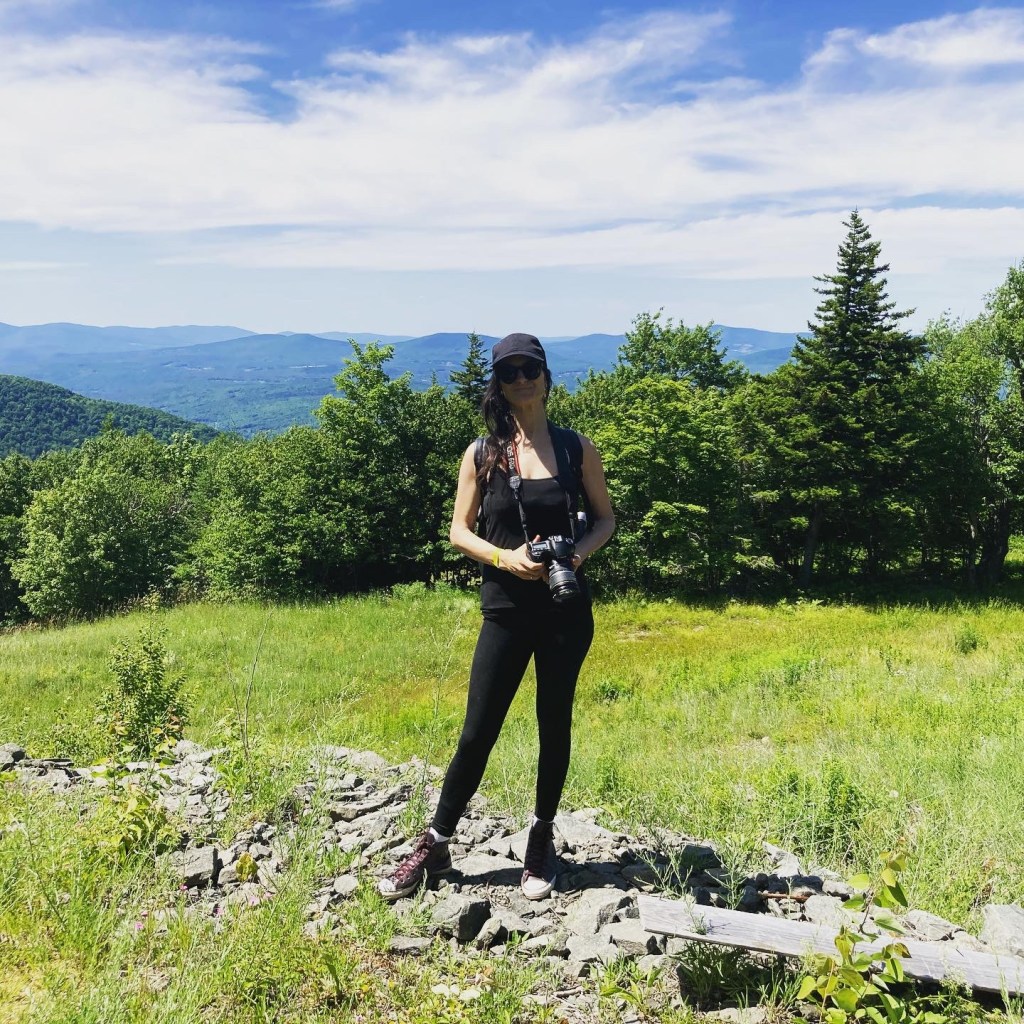
During the pandemic, my sister and her husband moved out of the city, and they bought a house in the countryside between Hudson and Catskill. This charming community is only a two-hour direct train out of NYC. It offers many of the amenities of the city (arts events, good restaurants, shopping and cafés), as well as proximity to the mountains for activities such as hiking, skiing, and fresh water swimming. We really enjoyed our time exploring the local area. We spent a few lazy days soaking in the sun down at the local creek. We hiked at Hunter Mountain and visited the public art park at Art Omi. We also ate at Feast & Floret in Hudson. It was a delicious, seasonally inspired, and farm to table experience!

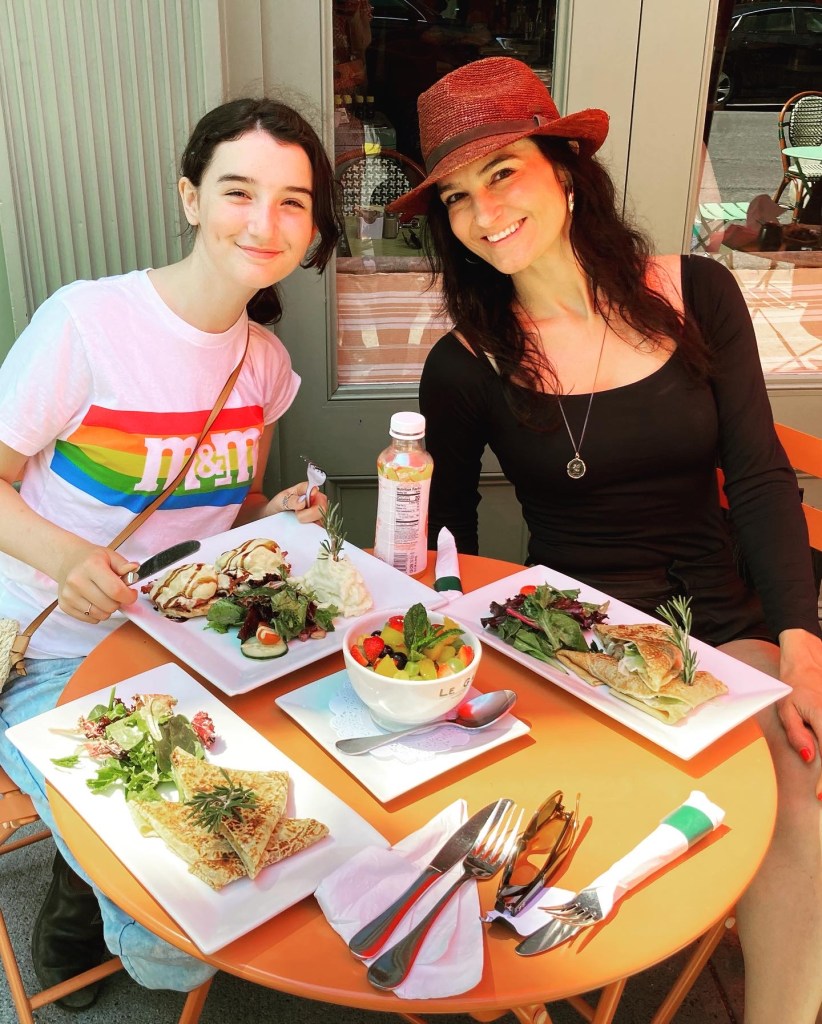


After heading back to the city, we were able to enjoy one final special day with my dear friend Elise. It was such a treat to have more time with her, if only briefly, after our recent visit in France. We packed as much as we could into our visit. She is a talented artist and we were lucky enough to visit her studio in Dumbo, Brooklyn. We ate some great Mexican food at Los Tacos Al Pastor and tasted the wild ice cream flavours at Ample Hills, followed with a lovely meal at home with her family. Her son, Linus, runs an innovative company called Komorebi, and he topped a wonderful evening off by showcasing some of his cardistry tricks.



As we prepared to fly home, after three and a half months on the road, my daughter and I were tired, happy and full of gratitude. This incredibly special trip was life changing for both of us; and we returned to Canada different people than we first left. Our sabbatical adventure provided us with the precious gift of time. It removed us from the hectic pace of our normally busy lives and overpacked schedules: reminding us of what is truly important. Each other. This experience brought us closer to one another in a whole new way; and it is a memory that I will always cherish and never, ever forget.

“Those who train wholeheartedly in awakening bodhichitta are called bodhisattvas or warriors—not warriors who kill but warriors of nonaggression who hear the cries of the world. Warrior-bodhisattvas enter challenging situations in order to alleviate suffering. They are willing to cut through personal reactivity and self-deception. They are dedicated to uncovering the basic, undistorted energy of bodhichitta.”
Joy Journal #7: August 23, 2022
I have always wanted to hike along the Juan de Fuca trail. I was finally able to go today with two good friends of mine, Alex and Mary. It generally takes a few days to walk the whole trail, and as we only wanted to do a day-trip together, we took two cars, leaving one at each entry point: Botanical Beach and Parkinson Creek. It was a warm and overcast day, with sunlight peaking through the clouds. The path itself runs through the forest and close along the coast line, so you can enjoy the smell of the ocean, and the lush foliage of the trees as you make your way along. We were mindful of bears, as there are many living in the area, foraging for ripe blackberries and salal: a bell dangled from my backpack to signal our approach. We stopped mid-way to rest on a sloped grey rock that overlooked the ocean: sharing a picnic lunch of cheese, salmon, peaches, dark chocolate and kitchen-sink cookies. Rested and well-fed, we continued along our journey for the remainder of the afternoon. The eleven-kilometre hike took four hours to complete and we emerged feeling happy, tired and satisfied after a full day of connection and exploration. #JoyBlogging
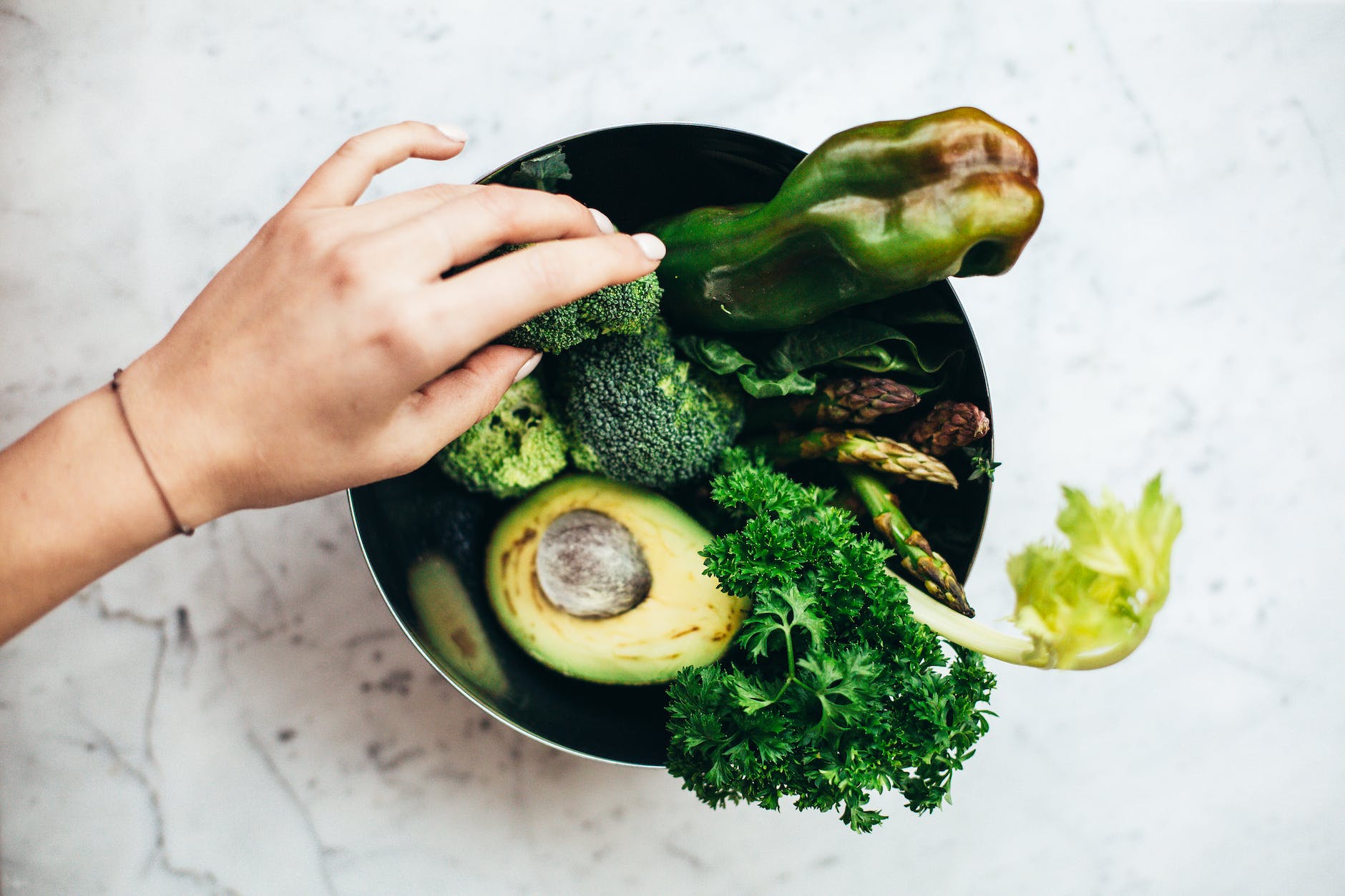
Dr. Will Bulsiewicz (Dr “B”) is a world-renowned gastroenterologist. In his book, Fiber Fueled, he discusses how gut health is essential to weight management, overall health and well-being.
If the gut is not working efficiently, the body cannot receive the necessary nutrients for its cells. When food particles and other substances are absorbed incorrectly, the immune system goes into high alert, and it attacks them as pathogens.
This immune response, creates inflammation in the bloodstream, and it moves throughout the body. It causes digestive distress such as bloating, heartburn, or diarrhea. Interestingly, the most common symptoms for poor gut health symptoms show up in the brain: depression, anxiety, insomnia, brain fog, and poor memory.
Probiotics are our healthy gut bacteria, and prebiotics are the foods that enables them to thrive. Fibre is a prebiotic and it is part of a plant’s cellular structure. If you want to get fibre naturally, the most efficient way to do it is through eating more plants. One of the most extensive studies on microbes, published by Dr. Knight in 2017, shows that the single most significant predictor of a healthy gut microbiome is incorporating a diverse range of plants into the diet.
Research suggests that we should be eating up to thirty different plants per week to support a healthy microbiome. Every plant type feeds a unique microbe community, and the more varied the plant intake, the more diverse the microbiome in the gut.
Dr. Bulsiewicz outlines an easy way to incorporate more plants into our diet through following the acronym, F-GOALS. This acronym stands for: fruits and fermented foods; greens and grains; omega-rich nuts and seeds; aromatics; legumes; and sulforaphanes. And although it can be intimidating to begin with, here is a list of plants to get you started. You can use either frozen or fresh fruits and vegetables. Dry legumes (beans), seeds and nuts are an inexpensive and accessible option and they add fibre-rich protein into the diet; these items can be purchased from most bulk foods or grocery stores. Be careful when using canned options, however, as there is often added sugar and salt, so read the ingredients carefully.
Fruits and Fermented Foods
A study from Cornell University shows that eating a combination of fruit results in increased antioxidant activity in the body. Berries are incredibly nutrient-rich, and one study shows that eating two servings of berries per week, can reduce Parkinson’s disease by 23%.
Fermented foods, such as kimchi, sauerkraut, miso and kombucha, are rich in healthy bacteria, or probiotics. Almost every culture on earth has fermented foods as part of their food tradition because it is excellent for health and it is an efficient preservation method. Here is a link to ten fermented foods that you can easily make at home.
Greens and Grains
When it comes to grains, Dr. B encourages dropping the refined options, such as white rice and highly processed bread, and incorporating whole-grain options. One particular ten-year study of dietary patterns examined 37 different food groups and showed that whole grain consumption had the most potent anti-inflammatory effect on the body.
Omega-3
The most efficient way to get more Omega-3 is by incorporating more seeds into your diet, such as flax, chia, and hemp seeds. Seeds are easy to incorporate into salad, porridge, smoothies or just by sprinkling onto a meal for texture.
Aromatics
Aromatics such as onions, leeks and garlic contain an enzyme called allianase, which is anti-viral, anti-fungal, and anti-parasitic. In order to activate this enzyme, Dr. B suggests using the “Chop and Stop” method. Chop up your garlic or onions and wait ten minutes before adding it to the frying pan.
Legumes
Legumes are packed with fibre. A cup of green peas contains 7 grams of fibre and lentils 16 grams. If you combine a legume with a whole-grain, such as brown rice, it creates a complete protein.
Sulforaphane
Sulforaphane is unique to the cruciferous family of vegetables, such as broccoli, Brussels sprouts, and cabbage. He especially encourages the consumption of broccoli sprouts, which you can grow at home for a very low cost.
I found this book to be really informative and I appreciated the recipes and resources provided. Dr. B lays out the complex science behind gut health in a simple, factual and accessible manner. He also recently released a more extensive cookbook, which helps to put the F-GOAL concepts into action. Both books should be available to borrow through your local library. If not, there are also a lot of great free resources available online providing delicious, plant-based recipes, such as this one.
If you do not have time to read the books, or cannot easily access them, I highly recommend listening to this great interview with Dr. B and Rich Roll. It provides a comprehensive summary of the key concepts and why they matter to your health and well-being.
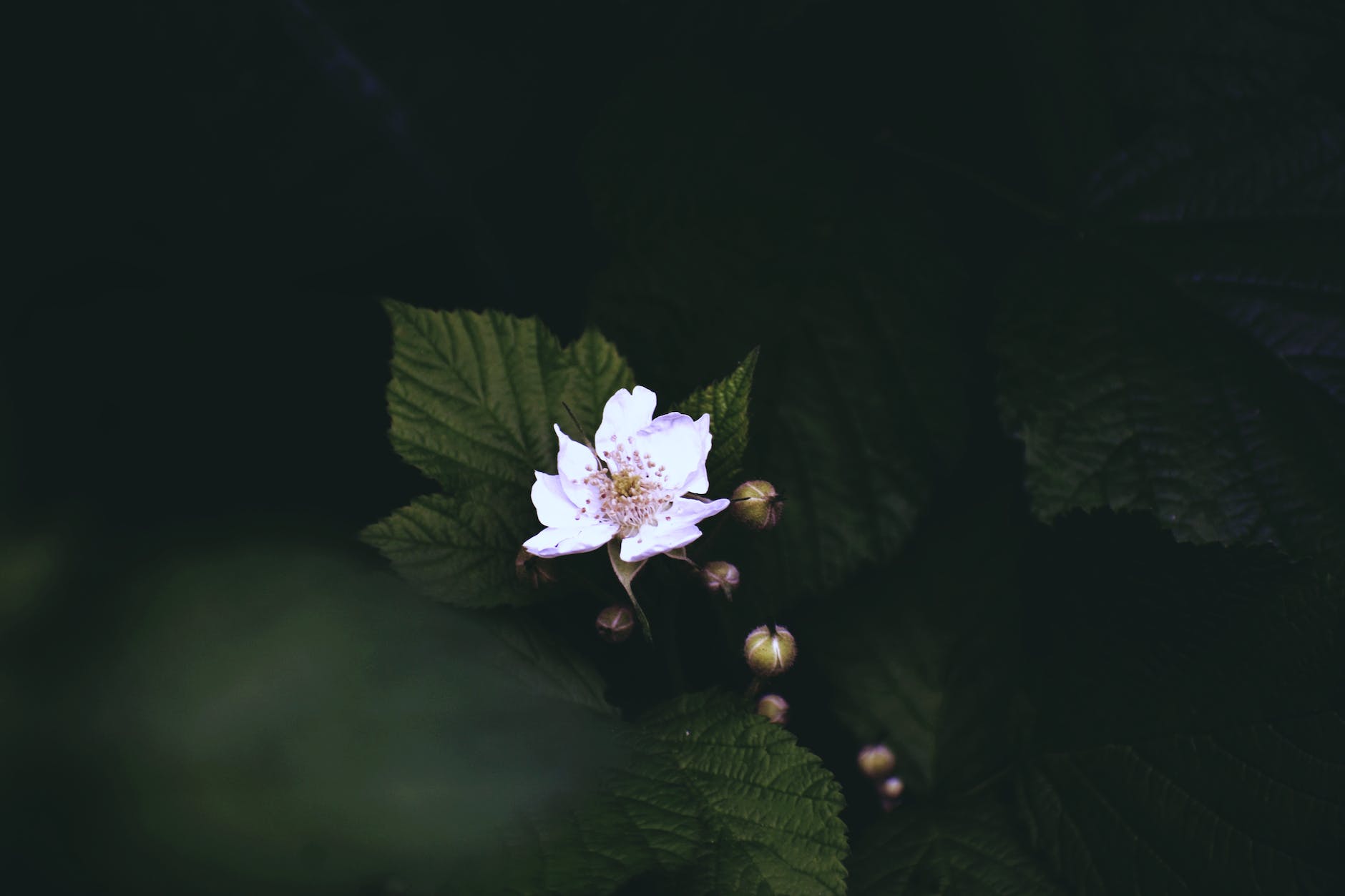
| “Earth’s crammed with heaven, And every common bush afire with God, But only he who sees takes off his shoes, The rest sit round it and pluck blackberries.“ ~ Elizabeth Barrett Browning |
Joy Journal #6: August 21, 2022
Tonight I went with my step-dad to see a live music performance in a garden paddock in Deep Cove. We sat out in the warm evening air, comfortably settled in our camping chairs in the grass, and enjoyed a performance of Leonard Cohen classics. The hummingbirds danced above our heads, diving in and around the trees, leaves gently rustled in the breeze. The salty smell of the ocean was in the air. Light softly fell around us until we were enveloped in darkness, broken only by the warm glow of a single spotlight. #JoyBlogging
Provence-Alpes-Côte d’Azur is my favourite region of France. It is located in the southeastern quadrant of the country, bordering Italy and the Mediterranean Sea. It is known for its diverse landscapes, ranging from the Southern Alps to the Camargue plains: it features rolling hills and valleys, vineyards, olive groves, pine forests and lavender fields. Provence has mild winters, dry and hot summers, and more than three hundred days of sunshine every year. The average annual high temperature hovers around 65 degrees, and the annual low temperature average is about 46 degrees. The rhythmic sound of cicadas that can be heard throughout the landscape in the summer months.

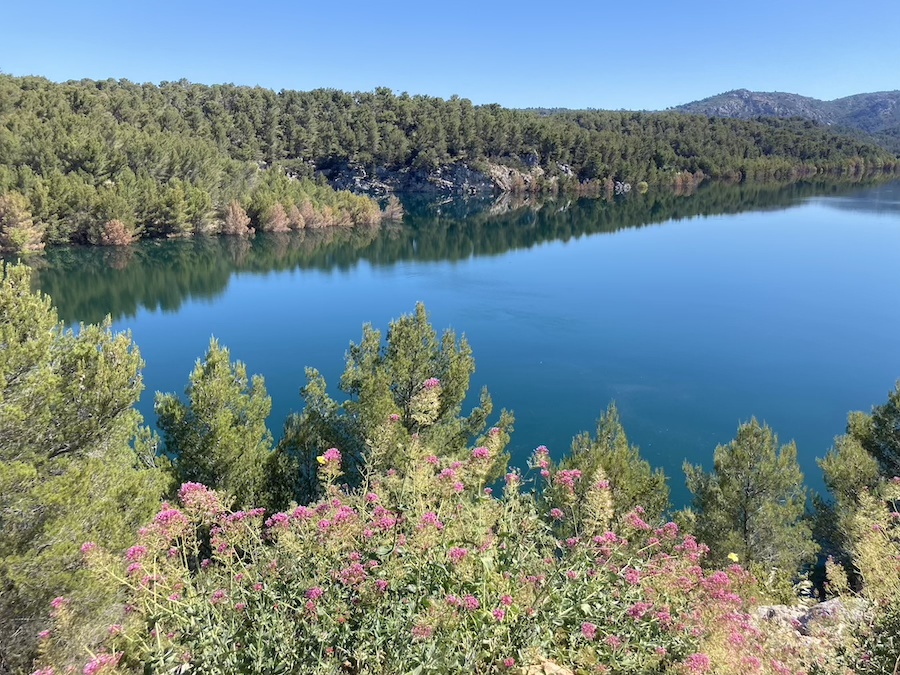
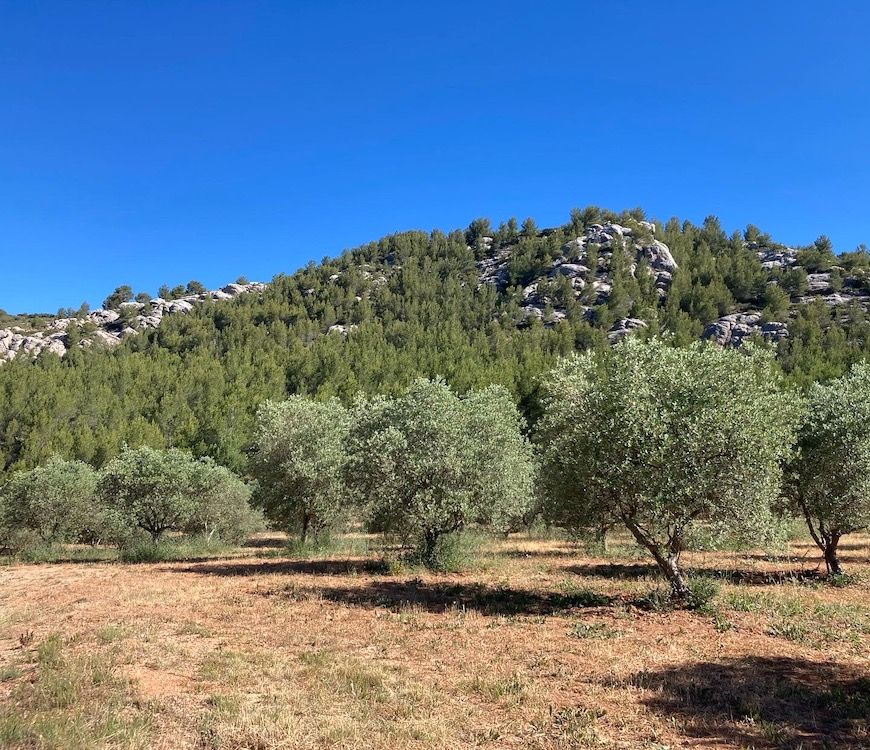
When I started planning for my sabbatical trip, I knew that I wanted to live in this region of France for two months, but I had no real idea of how to make it happen. I started off by looking at entry requirements for the European Union; and it turns out that Canadians do not need a visa to travel to countries within the Schengen area for stays of up to 90 days in any 180-day period. I joined various online expat groups to ask questions about life in France and I researched potential schools for my daughter to attend. After some digging, I was fortunate enough to locate a specialized program in Aix-en-Provence (referred to by the locals as “Aix”) that agreed to accept her as a student. Using AirBnB, I found us a centrally located apartment to act as our home base throughout our stay, and before I knew it, we were booked to live in Aix!
Aix (Aquae Sextiae) was founded in 123 BC by the Roman consul Sextius Calvinus, who gave his name to its thermal springs. It is now known best as a university city, featuring a lovely historic centre, which dates back to the 17th-century. Aix is the perfect size (143,000 population). It is a vibrant city, offering a wonderful range of cafés, restaurants and boutiques, and it hosts a wide variety of festivals and events throughout the year. It was the birthplace of Post-Impressionist painter Paul Cézanne and it is often referred to as the city of a thousand fountains.
Among the most notable are the 17th-century Fontaine des Quatre Dauphins (Fountain of the Four Dolphins) in the Quartier Mazarin, designed by Jean-Claude Rambot, and three of the fountains that run along the central Cours Mirabeau: at the top, a 19th-century fountain depicts the “good king” René holding the Muscat grapes that he introduced to Provence in the 15th century; halfway down is a natural hot water fountain (34 °C), covered in moss, dating back to the Romans; and at the bottom, at la Rotonde, the hub of modern Aix, stands a monumental fountain from 1860 beneath three giant statues representing art, justice and agriculture.


During our first month in town, we hosted a range of friends and family. It was wonderful to have so many loved ones join us to explore both the city and the region. It really helped us to settle in and feel at home. Some highlights included visiting Cézanne’s studio, as well as the Musée Granet, and the Hôtel de Caumont. I also enjoyed the historical walking city tours offered through the Tourism Centre. If you have a car, I highly recommend that you take the half an hour drive out to the Château La Coste. It has an amazing art and architecture tour, as well as a vineyard and spa. They boast an extraordinary collection of public art installed throughout the property, featuring works by globally recognized artists, such as Richard Serra, Louise Bourgeois and Sophie Calle, as well as rotating temporary exhibitions.

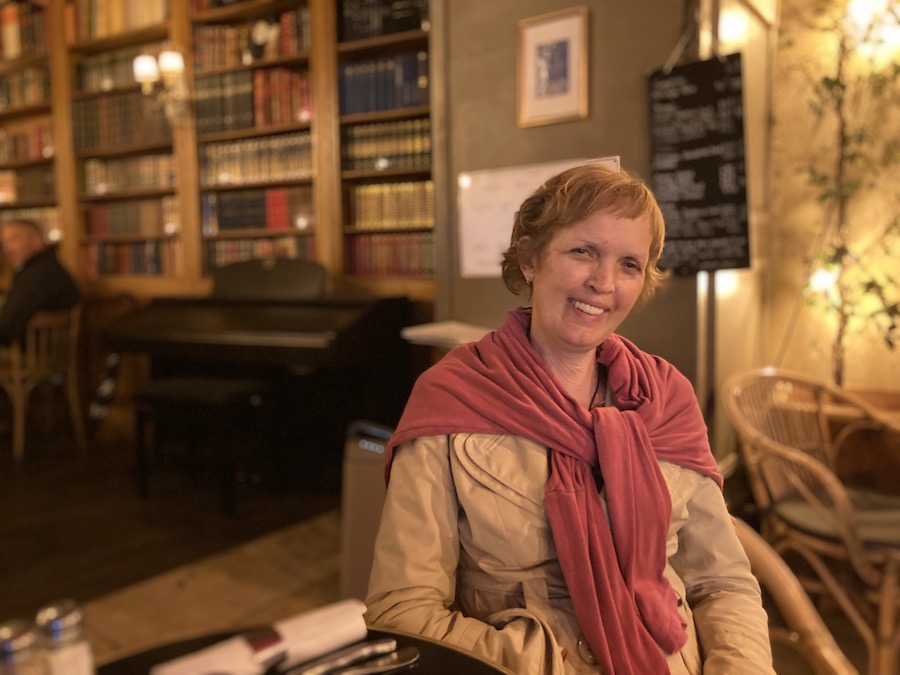

Thanks to the use of a rental car, we were also able to venture further afield in the region. We visited the fishing and shipping port of Marseille to try the famous fish-stew, Bouillabaisse. We spent a couple of weekends staying along the coast, enjoying the beauty of the Mediterranean in the seaside villages of Cassis and Saint Cyr Sur Mer; and we explored the beautiful Vaucluse valley with its lovely array of picturesque villages, including Goult, Gordes, Bonnieux and Rousillion. A highlight was visiting the Abbaye Notre-Dame de Sénanque.

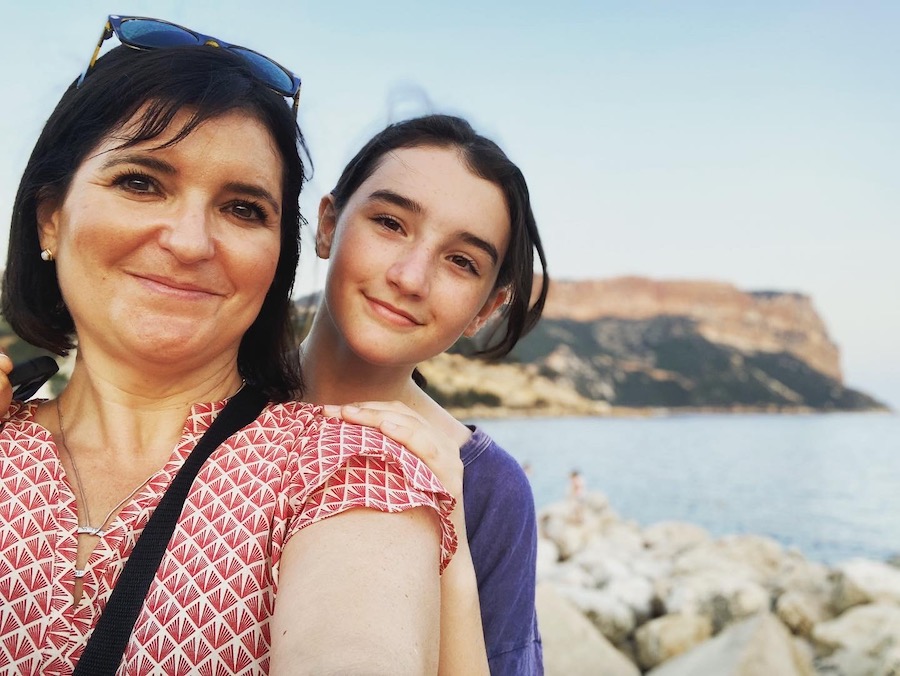
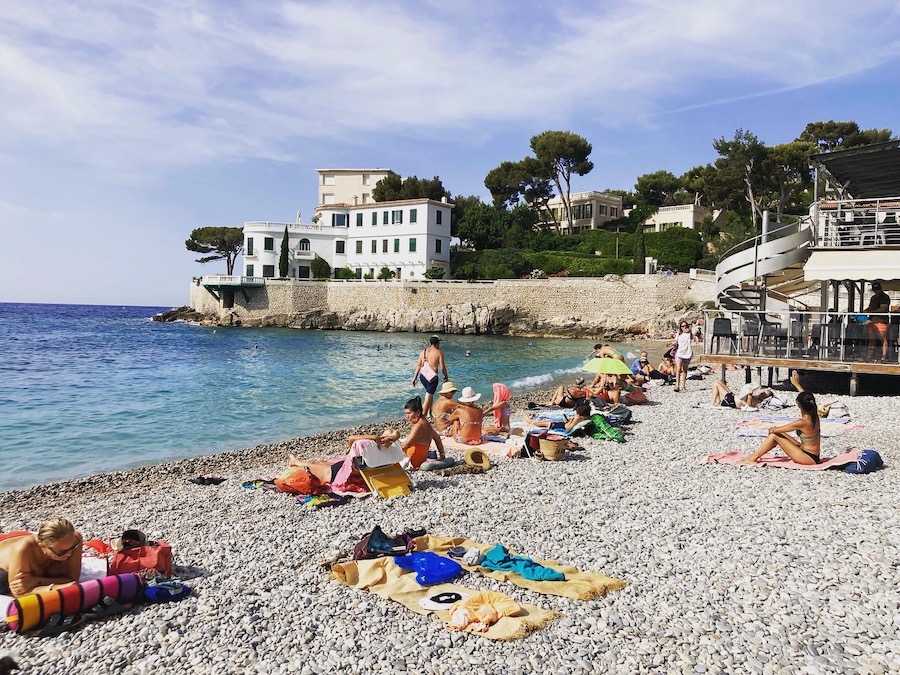


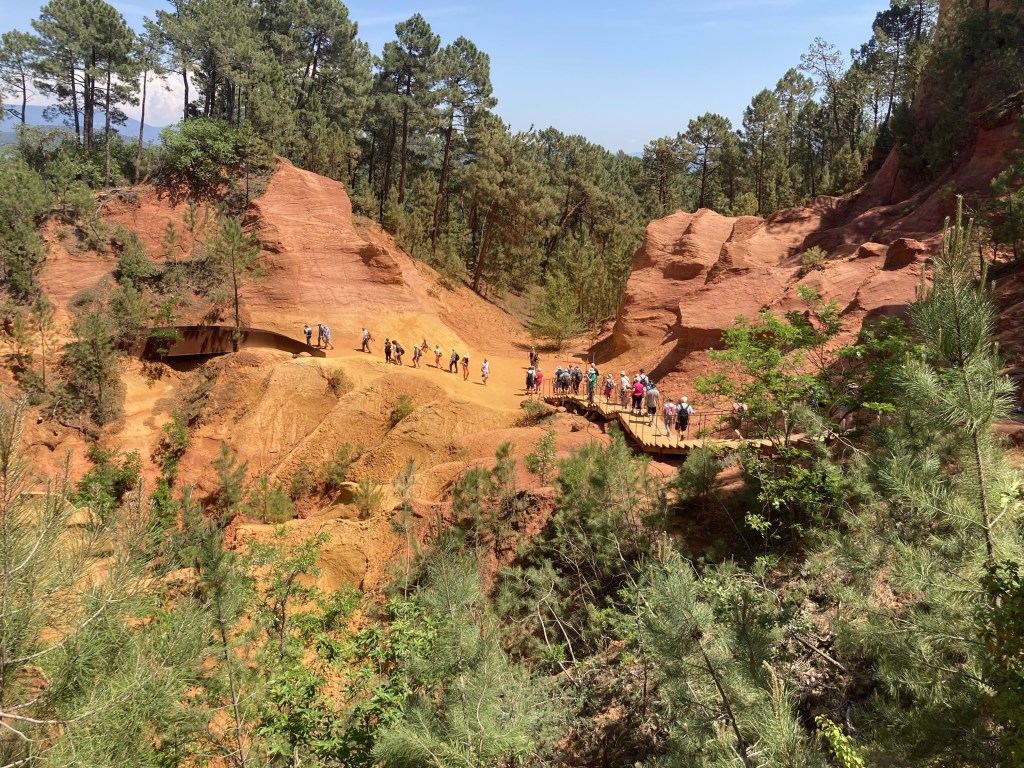
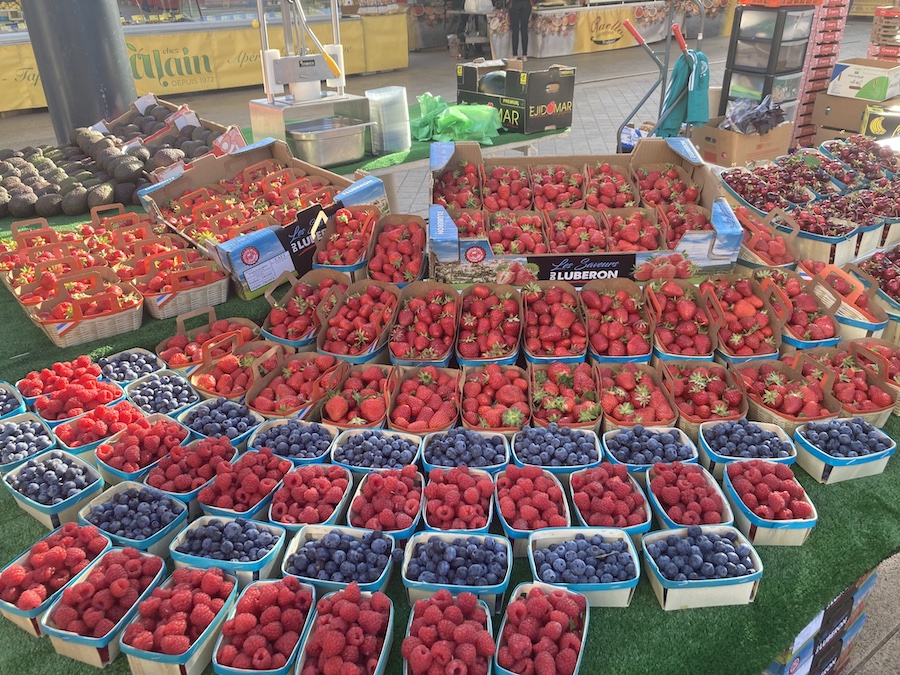
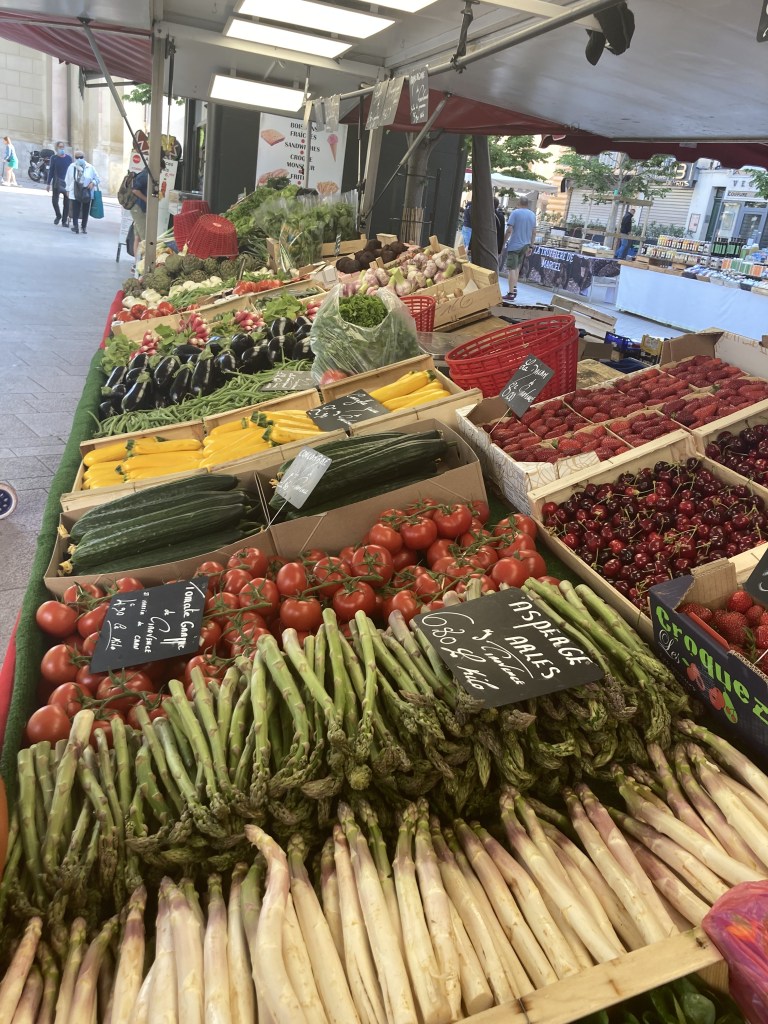
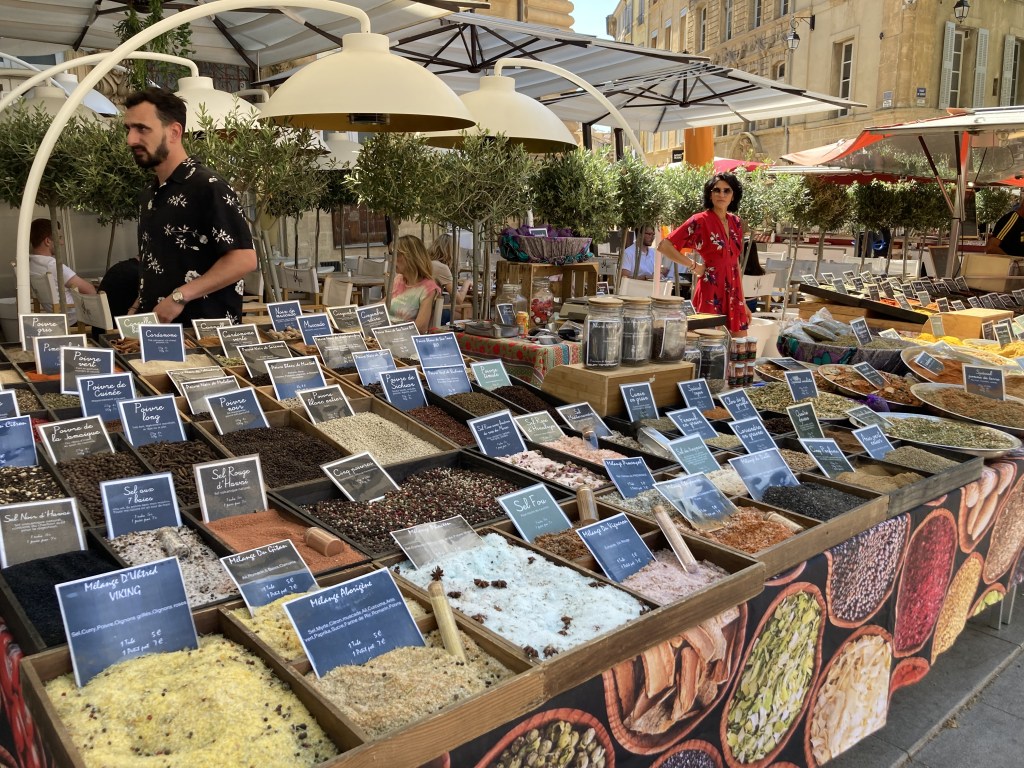
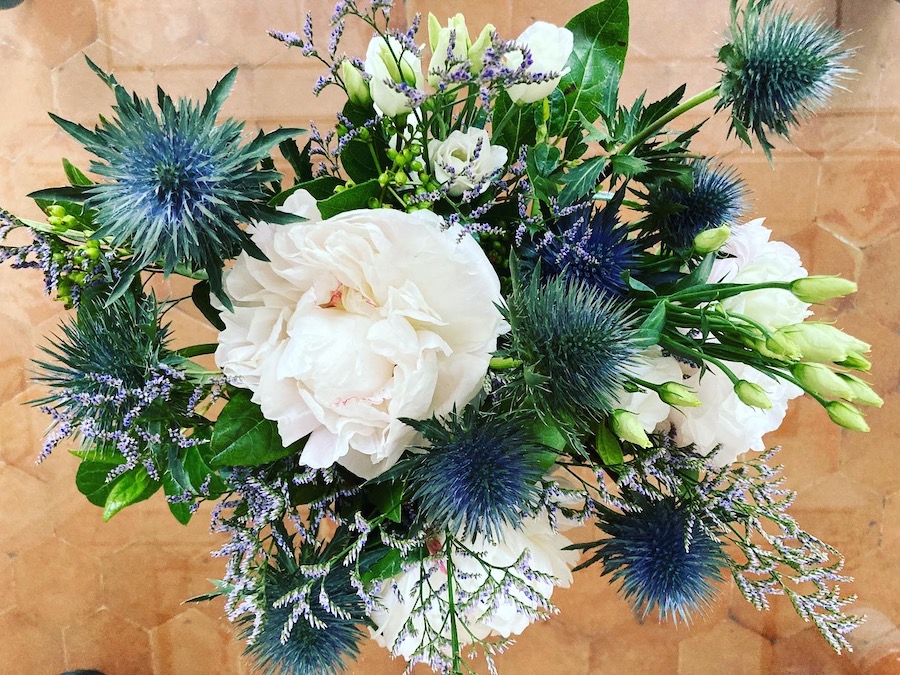
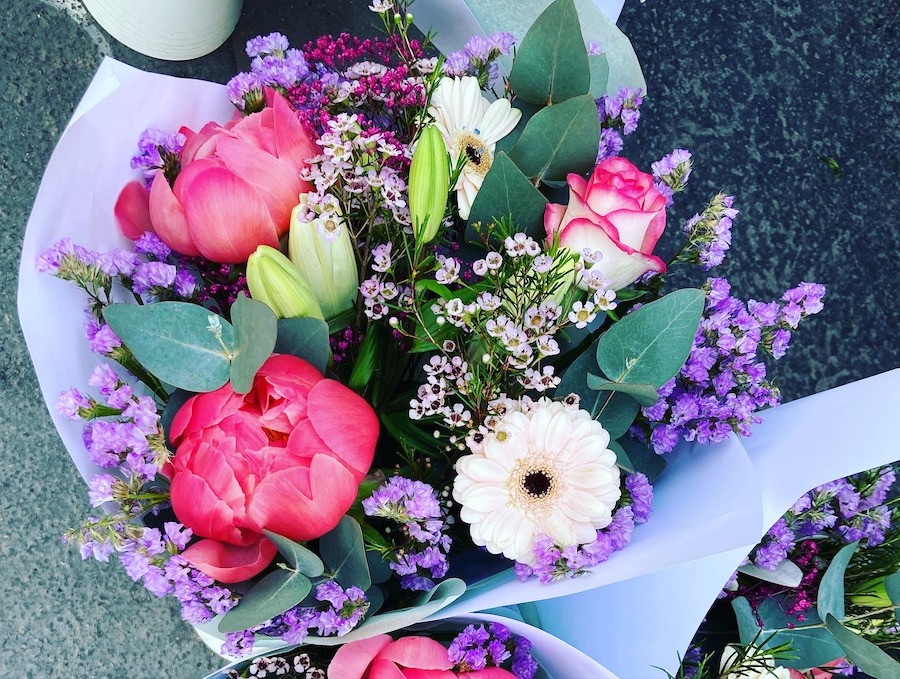
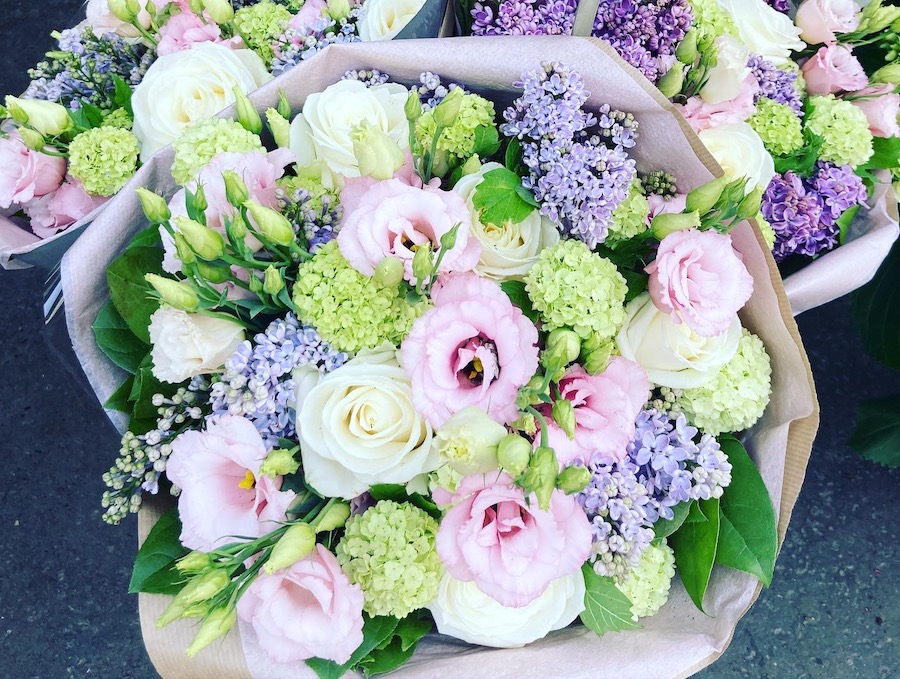
In our second month in Aix, my daughter and I settled into the slow rhythm of a quieter life together, just the two of us. She really enjoyed her school in France and she made a wonderful group of friends. After dropping her off first thing in the morning, I would make my way to the daily market to pick up fresh produce for the day. Aix hosts a market every day of the week, with the larger ones taking place on Tuesdays, Thursdays and Saturdays. I loved being able to shop for seasonal food and build relationships with the local vendors. The flower market was also spectacular.
I spent a lot of my day writing and reading. In the morning, I would work by the large window in my apartment, with the sun streaming through, and listen to the swallows cry out to one another. In the afternoons, I would venture out and find a terrace, order a coffee, and work until it was time to pick up my daughter. It was a lovely way to spend the day.
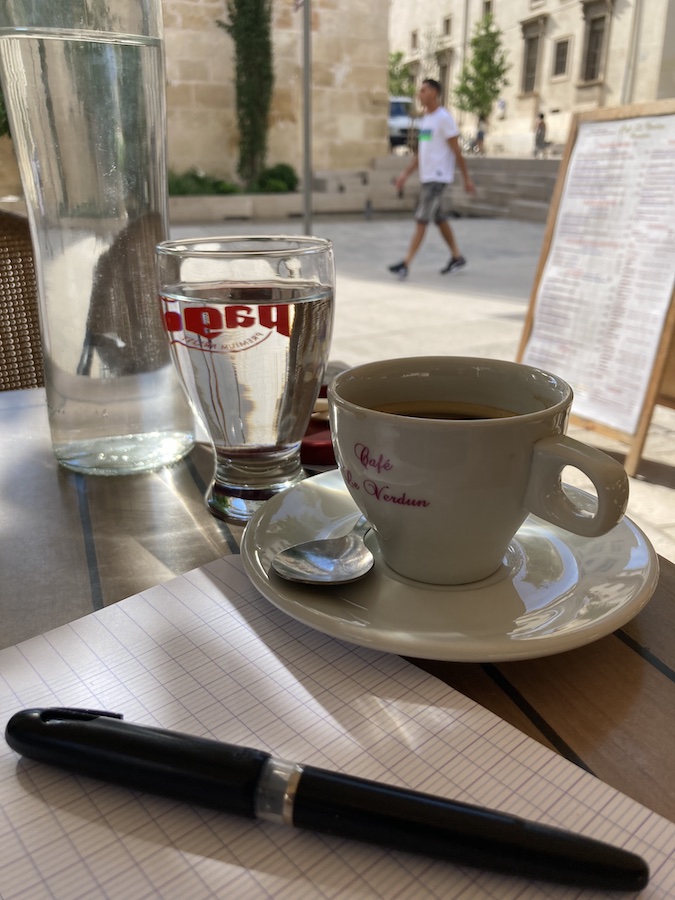

It was just as we came to the end of our time in Aix that a real shift took place in both our sense of belonging and grasp of the language. As we got close to the end of our stay, we both deepened friendships, and started to establish community. I found people who enjoyed hiking, ocean swimming and practicing yoga. My daughter’s relationships with her school friends solidified and she started to be regularly invited over for sleep-overs and birthday parties. It was a gift to have a daily opportunity to speak French and I found the locals to be very kind and encouraging.

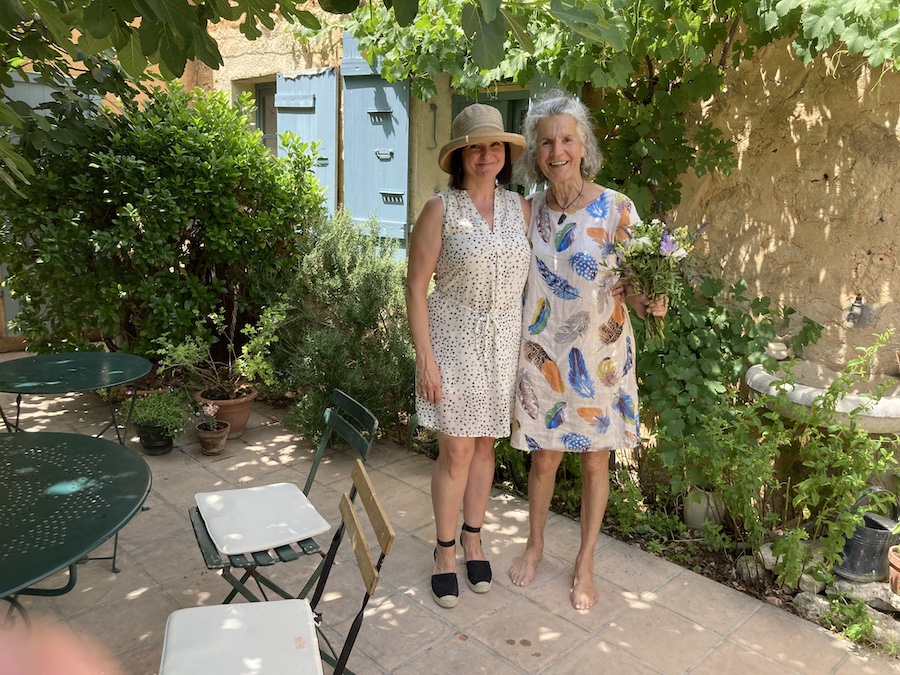

It was a dream come true to be able to live in Provence for two-months. The time in Aix was everything that I could have hoped for and more. I would love to return to the city and stay for another prolonged visit. It is an incredibly special place and it will always live on in my heart.
 Breath by Breath